29 books in our catalogue.
1980
284 pages
Science & Nature
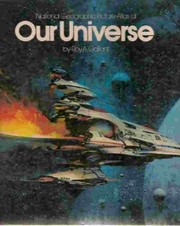
Text, photographs, paintings, and maps explore the history of astronomy, the solar system, the universe, and new space discoveries.
1974
201 pages
Takes a look at the roots of astrology to explain the universe, shows how astrology gave rise to the science of astronomy, what happened to astrology and astrologers through the ages, and finally how modern developments in psychology and biology are being used to forge …
2000
48 pages
Children'sScience & Nature
1971
45 pages
Children's
Photographs and brief text introduce various parts of the human skeleton and their functional and anatomical similarities to comparable parts in other animals.
1989
190 pages
Children'sScience & Nature
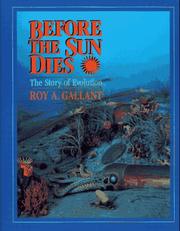
Presents the theories, controversies, and latest scientific thinking on how the Solar System, the Earth, and the first biological organisms came to be and how the latter changed and adapted for survival. Includes a glossary of terms.
1967
127 pages
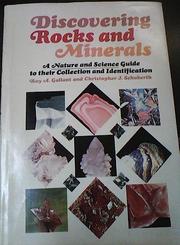
Describes the formation of rocks and minerals and tells how to find, collect, and identify them. Includes a chapter on locating and collecting fossils and reading topographic and geologic maps.
1997
64 pages
Children'sHistory
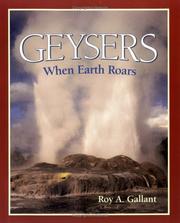
Discusses various aspects of geysers including their formation, location, anatomy, use by humans, and possible extinction.
1986
81 pages
Children'sScience & Nature
Explores such astronomy topics as how the sun, stars, and planets were born, how the universe expands, and life on other planets.
1982
112 pages
Children's
Discusses the planets, moons, suns, asteroids, meteoroids, and comets of the solar system, their features and movements, and man's exploration of them.
1984
82 pages
Children'sScience & Nature
An introduction to astronomy using questions actually asked by children at the Southworth Planetarium in Maine.
1989
128 pages
Children'sHistory
Describes how the first Indians arrived from Asia and how their society developed in different parts of North America.
1979
226 pages
Children's
Discusses climate and explores reasons for changes in climate, including sunspots, cosmic dust clouds, and man-made factors. Analyzes the economic, social, and political effects of these changes.
1973
79 pages
Traces the development of the atomic theory and discusses the various uses and misuses of atomic energy.
1998
64 pages
Children's
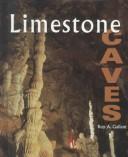
Describes types of caves, particularly the formation and physical features of limestone caves, and provides information about the animal and plant life found in caves, as well as about human cave dwellers and their paintings.
1969
177 pages
Children's
Describes ways animals communicate and discusses theories on the origin and evolution of speech, languages, and writings. Also traces the history of the English language.
1971
201 pages
Children's
Relates man's accomplishments to-date in planet probes and space travel as well as his dreams for future space exploration.
1959
152 pages
Science Fiction
1983
87 pages
Children'sScience & Nature
A history of astronomy, focusing not only on our current knowledge of the galaxy, but also on how that knowledge has evolved over time.
1986
117 pages
Children's
Discusses the major classes of stars and describes how they are created, how they change, and what eventually happens to them.
1987
94 pages
Children's
Discusses and explains visual phenomena seen in the sky, primarily interactions of light and atmosphere such as rainbows, mirages, the twinkling of stars, the blue color of the sky, and the Northern Lights.
1963
91 pages
Language & ReferenceScience & Nature
This dictionary contains an alphabetical listing of more than 500 basic chemical terms and concepts. The second section consists of many additional tables including those dealing with acids, foods, plastics and synthetic fibers.
2000
80 pages
Children's
Introduces atoms, the tiny particles which make up everything in the world, discussing their different parts, how they were discovered, and how they can be used as a source of energy.
2000
80 pages
Children'sHistoryScience & Nature
Describes what was believed in the past about stars, including the sun, and what we know today.
1990
163 pages
Children'sHistoryScience & Nature
Examines the impact of human population growth, discussing the origins of the human species, the rise of cities, migration to the new world, population trends, and the scarcity of natural resources.