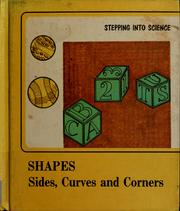
Shapes: sides, curves, and corners
1970
47 pages
Children's
Defines the basic geometric shapes and illustrates where they can be found in toys, in the home, on the playground, and in living things.
Defines the basic geometric shapes and illustrates where they can be found in toys, in the home, on the playground, and in living things.
Explains how shadows are cast and what they reveal about the shapes of various objects.
Briefly discusses the characteristics and care of such pets as goldfish, frogs, toads, turtles, parakeets, hamsters, rabbits, cats, and dogs.
Discusses the climate and locations of jungles and describes the plants of which jungles are made and the animals and people that live in jungles.
One hundred and one experiments that answer student's questions concerning basic scientific concepts. Illa Podendorf is a science teacher who encourages children to work on their own and to investigate and solve problems as scientists do. Doing experiments, like the ones outlined in this book …
Simple experiments to help students discover basic scientific concepts occurring in daily life.
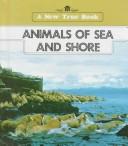
Introduces creatures that inhabit the sea and seashore: animals with fur or shells, fins or legs, spiny skins or soft bodies.
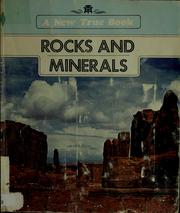
An introduction to the formation and identification of a variety of rocks and minerals.
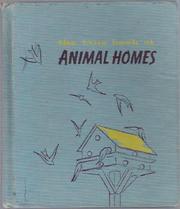
Describes a variety of animal homes, including those built by animals and those built by man for farm and zoo animals and pets. Explains that some animals do not build homes.
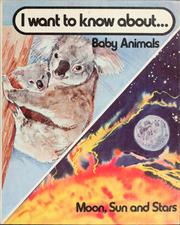
Highlights the characteristics and behavior of a variety of animal young and distinguishes between those that are hatched and those that are born.
Briefly introduces some distinctive characteristics, habits, similarities, and differences of a number of different insects.
An introduction to permanent magnets, electricity, and electric magnets, how they work, and their uses.