62 books in our catalogue.
2005
48 pages
Children'sScience & Nature
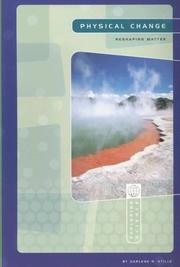
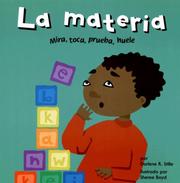
Describes the physical change of matter including melting and freezing, diffusion, suspensions, and boiling and condensing.
2005
48 pages
Children's
Describes plant cells including their parts, what plant cells do, and how they are studied.
2006
48 pages
Children's
Describes DNA including its composition, where it is found, and what DNA does.
2006
48 pages
Children's
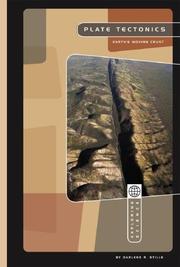
Although it may be hard to imagine, Earth's crust is constantly shifting. The crust is made up of many regions called tectonic plates that cover the planet. Throughout history, these plates have collided, moved apart, and slid past one another, resulting in the mountain ranges, …
1990
47 pages
Children's
Gases in the atmosphere, known as greenhouse gases, are causing Earth's temperature to rise. These gases let rays of heat and light through the atmosphere. The greenhouse gases trap some of these rays, which heat the atmosphere. While our planet needs a certain level of …
1991
45 pages
Children's
Studies the important role of atmospheric ozone in protecting the Earth, and tells how man-made chemicals are causing worrisome holes in the polar ozone layers.
Standalone books
2003
24 pages
Children's
Amazing Science-Delve into the how’s and why’s of science in this fact-filled series. These books answer kids’ questions about the world around them—and encourage them to ask more.
2002
24 pages
Children's
Amazing Science-Delve into the how’s and why’s of science in this fact-filled series. These books answer kids’ questions about the world around them—and encourage them to ask more.
2012
Children'sTravel
48 pages : color illustrations, color maps ; 25 cm.870L Lexile
1997
288 pages
Biography & MemoirChildren'sHistory
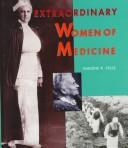
Presents biographical sketches highlighting the contributions of women, mostly American, to the field of medicine in the nineteenth and twentieth centuries.
1997
47 pages
Children's
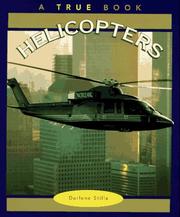
An introduction to different kinds of helicopters and their uses.
1997
47 pages
Children's
Describes the various parts of the nervous system and explains how sensory messages are sent back and forth through nerves between the brain and the body.
2002
32 pages
Children's
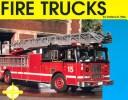
An introduction to emergency vehicles including various fire engines, rescue trucks, and ambulances.
2004
24 pages
Children's
I Live in the Ocean What’s it like to live in the deep, dark sea? In these beautiful fact-filled books, ocean animals tell the stories of their lives.
2003
24 pages
Children's
Amazing Science-Delve into the how’s and why’s of science in this fact-filled series. These books answer kids’ questions about the world around them—and encourage them to ask more.
2005
48 pages
Children's
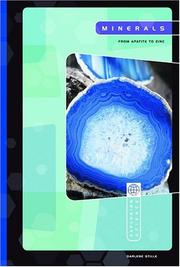
Describes the elements, classes, and properties of minerals including color, streak, luster, hardness, and cleavage. Also explains minerals found in rocks such as feldspar, quartz and calcite.
1990
46 pages
Children's
Discusses the benefits of water, its pollution, and the harmful effects of and ways of avoiding water pollution.
2006
112 pages
Biography & MemoirChildren'sHistory
2004
24 pages
Children's
I Live in the Ocean What’s it like to live in the deep, dark sea? In these beautiful fact-filled books, ocean animals tell the stories of their lives.
2002
24 pages
Children's
Amazing Science-Delve into the how’s and why’s of science in this fact-filled series. These books answer kids’ questions about the world around them—and encourage them to ask more.
1999
47 pages
Children's
Examines the different types of wetlands and the plant and animal life they support.
2000
24 pages
Children's
Amazing Science-Delve into the how’s and why’s of science in this fact-filled series. These books answer kids’ questions about the world around them—and encourage them to ask more.
2001
32 pages
Children's
An introduction to various types of train cars including the locomotive, the boxcar, the hopper car, the flatcar, and the tank car.
1999
47 pages
Children'sScience & Nature
Examines the different types of grasslands and the plant and animal life they support.
2004
24 pages
Children's
I Live in the Ocean What’s it like to live in the deep, dark sea? In these beautiful fact-filled books, ocean animals tell the stories of their lives.
2004
24 pages
Children's
I Live in the Ocean What’s it like to live in the deep, dark sea? In these beautiful fact-filled books, ocean animals tell the stories of their lives.
1999
47 pages
Children's
An introduction to the ocean describing its physical characteristics, the plants and animals that live in or near it, and its importance to life on Earth.
1990
44 pages
Children's
Discusses the erosion and pollution of soil, the harmful effects of these processes, and ways of preventing them.
2012
Art & PhotographyChildren'sHistory
1997
47 pages
Children's
Describes the various parts of the human respiratory system and then explains how that system brings fresh oxygen into the body and carries carbon dioxide to the lungs to be expelled.
2002
24 pages
Children's
Amazing Science-Delve into the how’s and why’s of science in this fact-filled series. These books answer kids’ questions about the world around them—and encourage them to ask more.
1997
47 pages
Children'sLanguage & Reference
Describes details about airplanes, including the first planes, passenger airplanes, propeller planes, cargo planes, war planes, and special kinds of planes.
1990
45 pages
Children's
Discusses the benefits of air, its pollution, and the harmful effects of and ways of avoiding air pollution.
2006
Biography & MemoirChildren'sHistory
A biography profiling the life of Anne Hutchinson. Includes source notes and timeline.
2010
Children'sHistoryPolitics & Society
2001
32 pages
Children's
Provides descriptions and details on different types of big trucks or big rigs.
2012
32 pages
Children's
Presents twelve tips for developing green habits, including using rechargable batteries and composting, and explains how each action positively impacts the environment.
2007
48 pages
Science & Nature
1997
47 pages
Children's
Simply describes the functioning of the digestive system and explains the process of digestion.
2004
24 pages
Children's
I Live in the Ocean What’s it like to live in the deep, dark sea? In these beautiful fact-filled books, ocean animals tell the stories of their lives.
2004
24 pages
Children's
I Live in the Ocean What’s it like to live in the deep, dark sea? In these beautiful fact-filled books, ocean animals tell the stories of their lives.
2003
32 pages
Children's
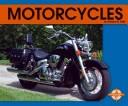
An introduction to different kinds of motorcycles and how they are used.
1991
45 pages
Children's
Describes how oil spills occur, the damage they cause to the environment, clean-up operations, and ways to prevent oil spills.
2012
32 pages
Children's
Outlines twelve tips for protecting animals in danger, including raising money for conservation groups and planting a butterfly habitat, and explains how each action can help save endangered species.
2015
144 pages
Children's
Explores the land, people, history, economy, and travel opportunities of Puerto Rico.
2001
32 pages
Children's
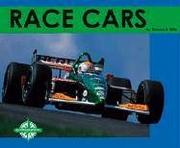
Describes various race cars, automobile races, and kart racing.
1997
47 pages
Children's
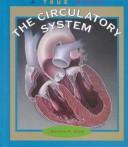
Describes the various parts of the human circulatory system and explains how and why blood is circulated throughout the body.
1997
48 pages
Children's
Describes different kinds of trucks, including tractor trailers and tank trucks, pick-ups, tow trucks, fire trucks, garbage trucks, vans, and recreational vehicles.