
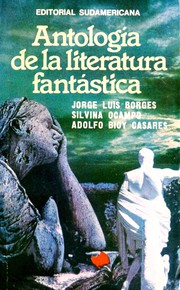
Antología de la literatura fantástica
Contains: Sennin / Ryūnosuke Akutagawa -- A woman alone with her soul / Thomas Bailey Aldrich -- Ben-Tobith / Leonid Andreyev -- Phantom basket / John Aubrey -- Drowned giant / J.G. Ballard -- Enoch Soames / Max Beerbohm -- Tail of the sphinx / …


Zuleika Dobson, or, An Oxford love story
That old bell, presage of a train, had just sounded through Oxford station; and the undergraduates who were waiting there, gay figures in tweed or flannel, moved to the margin of the platform and gazed idly up the line. Young and careless, in the glow …

Seven men
"In Seven Men the English caricaturist and critic Max Beerbohm turns his comic searchlight upon the fantastic fin de siecle world of the 1890s - the age of Oscar Wilde, Aubrey Beardsley, and the young Yeats, as well as of Beerbohm's own first success. In …

A Christmas garland
Few writers have possessed Max Beerbohm's talent for parody, and 'A Christmas Garland' is perhaps the best collection of parodies ever written in English. Here are glorious, often loving spoofs of Beerbohm's well-known contemporaries - Henry James, George Bernard Shaw, Thomas Hardy, Joseph Conrad, Rudyard …


The happy hypocrite
Facsimilie of colour illustrated 1918 ed. of The Happy Hypocrite.


Mainly on the air
Broadcasts on various subjects, mostly to do with life in England in the decades around the Great War.


Around theatres
Here we have the record, covering the years from 1898 to 1910, of Max's impressions of British drama, which included the passing of the prestige of Pinero and the arrival of Shaw as a towering figure upon the British stage.


