Our hungry earth
1976
119 pages
Children's
Discusses food supplies, population growth, agricultural advances, and natural resources as aspects of the world food crisis.
Discusses food supplies, population growth, agricultural advances, and natural resources as aspects of the world food crisis.
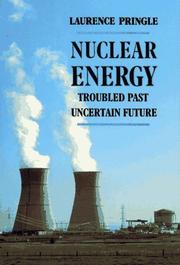
Surveys the history and development of nuclear power and presents both sides of the controversy surrounding its use.
Presents an overview of environmental factors that affect human health, assesses their dangers, and discusses the scientific and political complexities concerning a healthful environment.
Explores the social, political, and economic aspects of a vital resource--water.
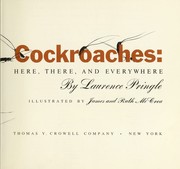
A brief introduction to one of the world's most durable insect species that has survived over 300 million years and thrives almost anywhere in the world.
Describes different kinds of dinosaurs, and how paleontologists study them.
A family considers many possibilities before coming up with a name that is just right for the cat that has come to live with them.
Introduces the life cycle, feeding habits, migration, predators, and mating of the monarch butterfly through the observation of one particular monarch named Danaus.
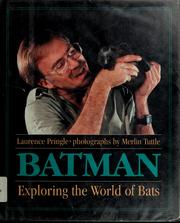
Describes Merlin Tuttle's interest in bats, his study of them in their natural habitat, and his work to protect them through such efforts as the organization he founded, Bat Conservation International.
Introduces Seaman, the Newfoundland dog that served as hunter, retriever, and guard dog on the Lewis and Clark expedition through the Northwest Territory of the United States at the beginning of the nineteenth century.
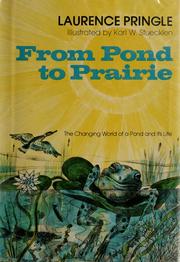
Traces the process by which a pond becomes a marsh and eventually a prairie and describes the plant and animal life existing at each stage of development.
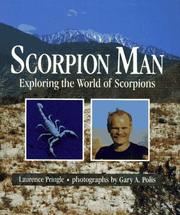
A photographic account of the work of a wildlife biologist who specializes in scorpions.
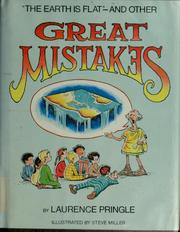
Examines a variety of blunders and mistakes throughout history, some funny and some tragic, and causes for these errors.
Describes the steps in a food chain and discusses their importance in the maintenance of life.
A biography of Cynthia Moss, world-renowned elephant researcher in Kenya's Amboseli National Park, illustrated with her own photographs.
Introduces in text and photographs the physical characteristics and plant and animal inhabitants of one of earth's most valuable ecosystems - the estuary.
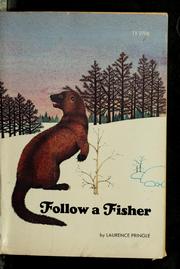
Describes the domain and habits of fishers--weasels that live in North American forests.
Surveys the history and development of nuclear power and presents both sides of the controversy surrounding its use.
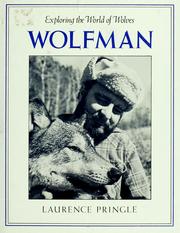
A career biography of the wildlife biologist who has spent twenty-five years studying the wolf.
Surveys the plant and animal life, impact on global ecology, history, and politics of the White Continent.
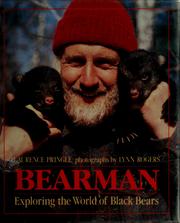
Examines, in text and photographs, the physical characteristics, habits, and natural environment of the American black bear.
Traces the history of man's discoveries about evolution, covering both the mechanisms of evolution and examples of natural selection--
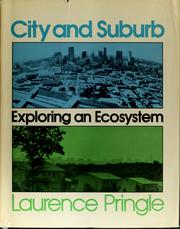
Introduces the plants, insects, birds, and mammals that make up the ecosystem of a city and its suburbs.
Describes the history of alcohol, its effects on the body and personality, how to deal with peer pressure to drink, and how to get help for alcoholism.
Explores the controversial problem of domesticated animals gone wild, and its impact on people and on the environment.
Explains the interdependency of plants and animals and examines man's role in protecting this ecological balance.
A photographic account of the work of Patricia Moehlman, a wildlife biologist who specializes in the study of jackals.
Discusses the risks our society faces everyday as we deal with frightening uncertainties about food, transportation, clothing, air, disease, natural disasters, and almost every area of our lives.
Provides a history of tobacco products and smoking, with a discussion of harmful effects and changing social attitudes.
A look at the ways in which kids care for the earth through environmental projects and actions.
Observes how insects and spiders are creatures of great value, beauty, and mystery.
Examines the causes of pollution in air, water, and soil and the long-range effect upon human and animal life.
Describes the physical characteristics, behavior, and reproduction of a few of the world's 2,700 kinds of earthworms.
A guide to identifying, collecting, and preparing twenty wild plants commonly found in and around fields, forests, and streams.
An introduction to the study of the play behavior of a variety of domestic and wild animals.
This examination of plants includes a discussion of their internal structure, their ability to make their own food, and their complex relationship with other organisms.
Traces the research on dinosaurs since the first discoveries of their fossils and presents some of the startling new ideas now being considered regarding what they were really like.
An introduction to the basic principles of ecology such as natural cycles, population patterns, ecosystems, biomes, and natural and man-made environmental changes.
An introduction to the earth's energy resources and to promising new alternatives to traditional sources of energy power.
Discusses human life before birth and, hence, the reason for the bellybutton.
Depicts, in text and illustrations, the stages of fire and regrowth in a Western lodgepole pine forest over a period of three hundred years. Also discusses the fire cycle and the role of fire in forest ecology.
Provides information about frogs and toads, including different species, habitat, and life cycle.
Describes the characteristics and behavior of Africanized bees and discusses how they came to Brazil, how they are spreading northward, and their potentially disruptive influence on the native honeybee population which in turn could damage crop yields and the honey and beeswax industry.
Examines the characteristics of the many different types of places in which animals make their home.
Relates how beavers build dams and lodges and the effect of one of their dams on the plants and animals of a valley.
Explains the beneficial effects of periodic fires to forests and their wildlife.
A prominent children's books author shares his life, his daily activities, and his creative process, showing how all are intertwined.
Discusses the discovery, formation, transportation, and effects on plant and animal life of acid rain and how economic and political forces have delayed action needed to reduce this slow poison from the sky.
Considers the problem of refuse disposal and the importance of salvaging minerals and other useful substances from waste products.
Presents viewpoints of both scientists and animal rights advocates on the use of animals for scientific research, for food, and for human enjoyment.
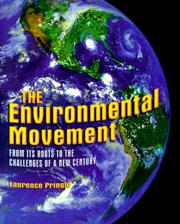
Chronicles the history, key players, and future challenges of the environmental movement.
A guide to the most common plants and animals one may find under rocks, logs, and other objects on land and in water.
Describes the stages of a river from its source to the sea and the flora and fauna living in or near the waterways.
Describes the behavior of three species of small blood-eating bats of the leafnose family found in Mexico, Central America, and South America.
Introduces various plants living in and around ponds, such as cattails, bladderwort, and algae.
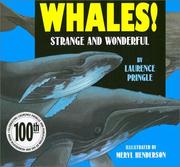
Introduces the behavior and unique characteristics of a wide variety of whales and describes the efforts to save them.