The Sea of Fertility
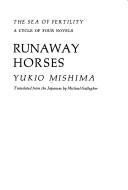

The Temple of Dawn
The Temple of Dawn is the third novel in the Sea of Fertility tetralogy by the Japanese writer Yukio Mishima. For this as for the other novels in the series, Mishima travelled to various places to conduct research, including Wat Arun in Bangkok, Thailand.


暁の寺
A young man expends his spirit in the obsessive pursuit of a beautiful woman and a passionate search for mystical enlightenment. "Yukio Mishima's The Temple of Dawn is the third novel in his masterful tetralogy, The Sea of Fertility. Here, Shigekuni Honda continues his pursuit …

Standalone books
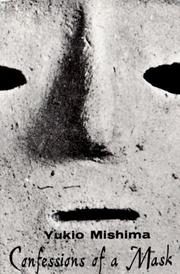
Confessions of a Mask
Confessions of a Mask is Japanese author Yukio Mishima's second novel. Published in 1949, it launched him to national fame though he was only in his early twenties.

午後の曳航
The Sailor Who Fell From Grace With the Sea tells of a band of savage thirteen-year-old boys who reject the adult world as illusory, hypocritical, and sentimental, and train themselves in a brutal callousness they call "objectivity." When the mother of one of them begins …

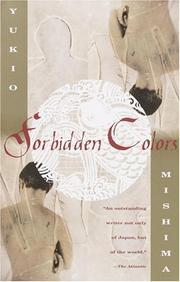
Kinjiki
Forbidden Colors (禁色, Kinjiki) is a 1951 novel (禁色 Part 2 秘楽 (Higyō) "Secret Pleasure" was published in 1953) by the Japanese writer Yukio Mishima, translated into English in 1968. The name kinjiki is a euphemism for homosexuality. The kanji 禁 means "forbidden" and 色 …
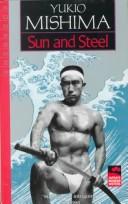
Taiyō to tetsu
Sun and Steel: Art, Action and Ritual Death is an autobiographical essay by Yukio Mishima detailing his artistic relationship to his body. Meditating on his transformative experiences with bodybuilding and martial arts training, Mishima considers their impact on his creative practice and concludes that literature, …
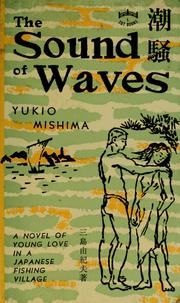
The sound of waves
Set in a remote fishing village in Japan, The Sound of Waves is a timeless story of first love. It tells of Shinji, a young fisherman and Hatsue, the beautiful daughter of the wealthiest man in the village. Shinji is entranced at the sight of …


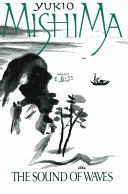
The Sound of Waves
The Sound of Waves is a 1954 novel by the Japanese author Yukio Mishima. It is a coming-of-age story of the protagonist Shinji and his romance with Hatsue, the beautiful daughter of the wealthy ship owner Terukichi. For this book, Mishima was awarded the Shincho …

Death in midsummer, and other stories
Published in association with Secker & Warburg

Life for Sale
Life for Sale is a 1968 novel by Yukio Mishima. It was first serialised in twenty-one parts in the weekly magazine Weekly Playboy between 21 May 1968 and 8 October 1968. It was published in hardcover format by Shueisha on 25 December 1968. It was …


Utage no ato
With vast psychological acuity and an unblinking insight into the nature of political and domestic warfare, Yukio Mishima creates a portrait of a marriage in which lofty principles clash fatally with appetite and ambition.With vast psychological acuity and an unblinking insight into the nature of …

Patriotism
A lieutenant in the Japanese army comes home to his wife and informs her that his closest friends have become mutineers. He and his beautiful loyal wife decide to end their lives together. In unwavering detail Mishima describes Shinji and Reiko making love for the …


Hōjō no umi
"Yukio Mishima's The Decay of the Angel is the final novel in his masterful tetralogy, The Sea of Fertility. It is the last installment of Shigekuni Honda's pursuit of the successive reincarnations of his childhood friend Kiyoaki Matsugae. It is the late 1960s and Honda, …

Sound of Waves
The Sound of Waves (潮騒 Shiosai?) is a 1954 novel by the Japanese author Yukio Mishima. It's a coming of age story detailing the maturity of protagonist Shinji and his romance with Hatsue, the beautiful daughter of the wealthy ship owner Terukichi. For this book …


Five Modern Nō Plays
Japanese No drama is one of the great art forms that has fascinated people throughout the world. The late Yukio Mishima, one of Japan's outstanding post-war writers, infused new life into the form by using it for plays that preserve the style and inner spirit …





Madame de Sade
Madame de Sade is a 1965 play written by Yukio Mishima. It was first published in English, translated by Donald Keene by Grove Press and is currently out of print.


The Temple of the Golden Pavilion
The Temple of the Golden Pavilion is a novel by the Japanese author Yukio Mishima. It was published in 1956 and translated into English by Ivan Morris in 1959.

Frolic of the Beasts
The Frolic of the Beasts is a 1961 novel by Yukio Mishima. It is considered a minor work from Mishima's middle period. Drawing inspiration from Noh plays, specifically the 14th-century Motomezuka, the novel centers on a tragic love triangle depraved by adultery and violence. It …




Star
All eyes are upon Rikio. And he likes it, mostly. His fans cheer from a roped-off section, screaming and yelling to attract his attention--they would kill for a moment alone with him. Finally the director sets up the shot, the camera begins to roll, someone …


Dojoji et autres nouvelles
De l'univers des geishas aux rites sacrificiels des samouraïs, de la cérémonie du thé à la boutique d'un antiquaire, Mishima explore toutes les facettes d'un Japon mythique, entre légende et tradition. D'une nouvelle à l'autre, les situations tendrement ironiques côtoient les drames les plus tragiques …


La voce degli spiriti eroici
"Voices of the Fallen Heroes" is a 1966 short story by the Japanese author Yukio Mishima. The work depicts the spirits of young officers who were executed by firing squad in the February 26 Incident and the kamikaze pilots who died trying to become Kamikaze …


