Interpreting folklore
In-depth details about observations and understanding, interpretations, definitions of folklore related subjects, topics, terms and beliefs. It is noteworthy that there are enough examples for each detail written to understand and remember the opinions of the remarkable professor.
Folklore matters
Eight essays that show, by example, what folklore is and how it can be studied to gain insights into cultural patterns of worldview.



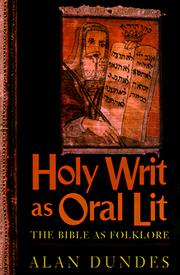
Holy writ as oral lit
"This book helps us resolve some of the mysteries and contradictions that evolved during the Bible's pre-written legacy and that persist in the Great Book today. Most biblical scholars acknowledge that both the Old and New Testaments were orally transmitted for decades before appearing in …





The meaning of folklore
"In the words of one prominent scholar, Alan Dundes's "essays virutally created the meaning of folklore as an American academic discipline." This selection of those essays surveys his major ideas and emphases. Simon Bronner frames them with a thorough discussion and analysis of Dundes's career, …

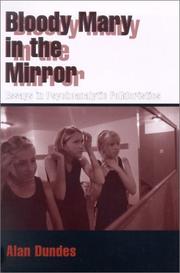
Bloody Mary in the Mirror
"Bloody Mary in the Mirror mixes Sigmund Freud with vampires and The Little Mermaid to see what new light psychoanalysis can shed on folklore techniques and forms." "Ever since Freud published his analysis of Jewish jokes in 1905 and his disciple Otto Rank followed with …

From game to war and other psychoanalytic essays on folklore
Although folklore has been collected for centuries, its possible unconscious content and significance have been explored only since the advent of psychoanalytic theory. Freud and some of his early disciples recognized the potential of such folkloristic genres as myth, folktale, and legend to illuminate the …