The nature and science of leaves
1997
32 pages
Children's
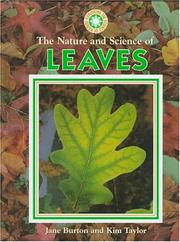
Discusses different kinds of leaves, the forms and colors they may have, and their functions.
Discusses different kinds of leaves, the forms and colors they may have, and their functions.
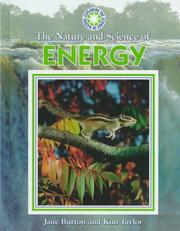
Describes different kinds of energy and explores some properties of energy and some of the different forms that it can take.
Explains the purpose and parts of flowers, how they make seeds, and how their color, freshness, and scent give pleasure to both people and animals.
Explores such aspects of rocks as their location, how they are formed, what they are made of, their appearance, how they can be dated, and their changing nature.
Explains why the season of autumn happens and how it manifests itself in the weather and changes in plants and animals.
A photo essay about the first six to eight months in the life of a duckling, abandoned before hatching and later adopted by a farmyard hen.
Text and photographs present Jack the puppy's first year of life as he plays with his nine brothers and sisters and grows larger.
Depicts a barn owl feeding growing, and learning to hunt and fly during the first year of its life.
Depicts a seal in its early life as it grows, plays, and learns to feed itself.
Depicts a barn owl feeding, growing, and learning to hunt and fly during the first year of its life.
Photographs and text follow two young pygmy goats as they grow, learn, and play during their first year of life.
Photographs and text follow a guinea pig and his siblings as they grow, learn, and play during their first year of life.
Text and photographs describe how a toad changes from a tadpole to a toadlet to a toad during its first three years of life and how it eats, hibernates, and spawns.
Photographs and text show the development of a kitten from birth to ten weeks old.
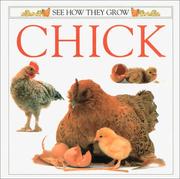
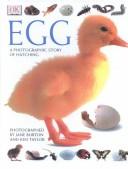
Photographs and text depict the development of a chick from the egg stage to the eighth week.
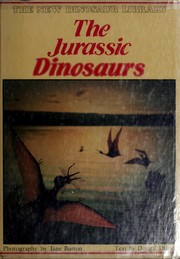
Brief text and illustrations introduce the characteristics and natural environment of eleven dinosaurs of the Jurassic period including Diplodocus, Stegosaurus, and Cryptocleidus. Also contains a glossary and miscellaneous facts about dinosaurs.
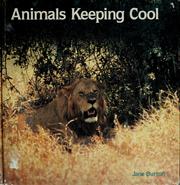
Describes how animals stay cool in hot weather, by such actions as wallowing in mud, burrowing, or panting.
Examines how paleontologists discover, study, classify, reconstruct, and restore the fossil remains of many kinds of dinosaurs.
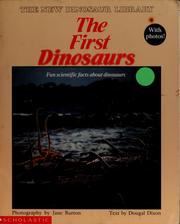
Brief text and illustrations introduce the characteristics and natural environment of thirteen early dinosaurs such as Saltopus and Dimetrodon. Includes a glossary of terms and miscellaneous facts about dinosaurs.
Photographs and text show how animals use water, dust, tongues, claws, and beaks to keep themselves clean.
Photographs and text depict how animals use teeth, claws, spikes, horns, camouflage, poison, and other ways to protect themselves from their enemies.
Photographs and text depict how fur, feathers, and blubber keep animals warm in cold weather.
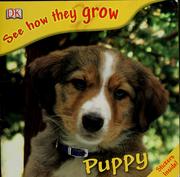
Photographs and text depict the growth and development of a puppy from its first day alive to its eighth week