Mystery of the Lascaux Cave
1998
Children's
Discusses the paintings on the walls of Lascaux Cave in France including the cave's discovery, its significance, and the efforts to preserve the paintings themselves.
Discusses the paintings on the walls of Lascaux Cave in France including the cave's discovery, its significance, and the efforts to preserve the paintings themselves.
Describes the destruction of Pompeii by the eruption of Mount Vesuvius in 79 A.D. and how its rediscovery nearly 1700 years later provided information about life in the Roman Empire.
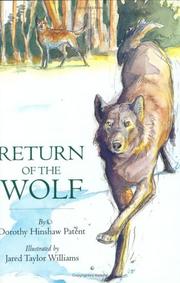
Describes the physical characteristics, life cycle, and behavior of the two species of wolves found in North America and discusses efforts to save them from extinction by reintroducing them to wilderness areas.
Retraces the Lewis and Clark journey and blends their observations of previously unknown animals with modern information about those same animals.
An introduction to the Arabian horse, a versatile breed noted for its speed, beauty, and endurance.
Provides a global perspective on environmental issues while demonstrating the concept which encompasses the many forms of life on earth and their interdependence on one another for survival.
Invites readers to explore the northern plains as a young bison named Camas learns about the prairie and the plants and animals that live there.
Examines the traits, origins, breeds, uses, and care of the big workhorses which have been in use from the Middle Ages to the present.
Explains how different types of foods provide nutrients for the body.
Introduces the many colors and patterns occurring in horses, including the spotted pinto, dappled, two-tone, solid, and Appaloosa horses.
Discusses examples and possible causes of plant and animal mimicry.
Describes the life cycle of an apple tree and how different varieties of apples are grown and harvested.
Discusses the significance, growth, and cultivation of flowers and examines specific kinds.
Chronicles the activities of the homesteaders who settled the vast American prairies during the late nineteenth and early twentieth centuries.
Describes the physical characteristics, habitat, and behavior of the humpback whale.
Introduces the characteristics of a variety of microscopic plants and animals and discusses the techniques and equipment needed to study them.
Describes the origins and physical characteristics of the miniature horse, its breeding and care, and its role as work horse, show horse, and pet.
Describes the journey of Lewis and Clark through the western United States, focusing on the plants they cataloged, their uses for food and medicine, and the plant lore of Native American people.
Provides information about the quetzal, a beautiful bird found in Mexico and Central America, and about its significance in the lives and beliefs of ancient Mesoamerican peoples.
Driven from their packs, two wolves meet, become companions, and form a new pack with their pups.
Tells the story of Audie, a pit bull puppy who was rescued from Michael Vick's dog fighting ring.
Examines the factors which influence the enormous variety of sizes and shapes in plants and animals.
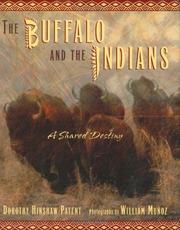
Provides a review of the bond between Native Americans and buffalo's throughout history and examines how European settlers disrupted nature's balance and nearly caused the extinction of an animal so highly respected by the native tribes.
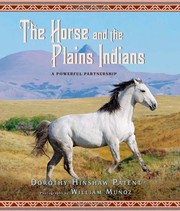
The image of a Native American on horseback has become ingrained in the American consciousness. But the Plains Indians and the horse were not always inseparable. Once, Native Americans used dogs to help carry their goods, and even after the Spaniards introduced the horse to …
Photographs and text depict the behavior, physical characteristics, uses, breeding, and different breeds of sheep.
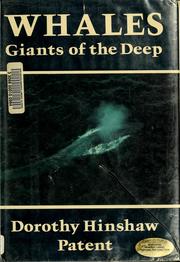
An introduction to the largest mammals that ever lived, with a brief history of whaling and how it has threatened the whales' survival.
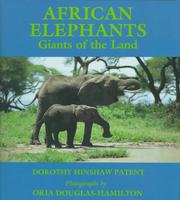
Describes the physical characteristics, behavior, feeding, family life, and habitat of the African elephant.
An overview of growing apples, from planting and harvesting to the grocery shelves.
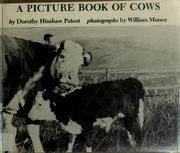
Examines the differences between dairy cows and beef cattle; identifies the most popular breeds; and covers such topics as raising calves, milking, and branding.
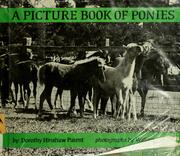
Text and photographs describe the physical characteristics, behavior, breeds, and uses of ponies.
Examines the origins, traits, and activities of this spotted breed and discusses racing and breeding.
Describes the physical, mental, and social development that babies achieve in their first two years of life.
Describes the characteristics, functions, and kinds of bacteria, how some keep us healthy and others make us sick, and research done by scientists in using bacteria to improve the quality of human life.
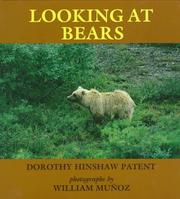
Discusses the behavior and physical characteristics of the seven species of bears, the mysteries of bear hibernation, the relationship between bears and humans throughout history, and the need to understand, protect, and live with bears.
Describes the physiology, habits, and habitats of beetles, their usefulness and harmfulness to humans, and how to collect them.
Introduces, in brief text and illustrations, a variety of animals whose coloring is black and white.
Discusses the anatomy, physiology, habits, and behavior of a group of insects both harmful and beneficial to man.
Explores the International Children's Rain Forest, what it is, the plants and animals that live there, why it is important, and what can be done to preserve it.
Looks at horses and their history with human beings, examining how they have been used in hunting, warfare, performance, competition, ceremony, and celebration, with illustrations that showcase how people decorate them.
"An adorable and informative photo-essay about Eclipse, a dog who rides the bus to the dog park herself, became a viral sensation on social media and TV, and has become the mascot for the Seattle Transit Authority."--
Describes some specific evolutionary changes occurring in certain plants and animal species today and generally discusses genetic mechanisms including DNA, mutations, and cloning.
Text and photos discuss farm and ranch animals upon which we depend for survival.
Describes, in text and photographs, birds' feathers--from structure, type, and color to various uses.
Describes the general characteristics of different kinds of fish with emphasis on their varied reproductive processes.
Describes the general characteristics of different kinds of amphibians with emphasis on their varied reproductive processes.
Explains what germs are, how they attack the body, and how the body protects itself against their onslaught. Includes material on immunization and research in disease control.
Gives information about polar bears which inhabit the Arctic regions of Russia, Norway, Canada, the United States, Denmark, and Greenland and discusses their relationships with humans.
An introduction to the members of the horse family, once a very large group, of which only a few closely related species remain.
Discusses the evolution and characteristics of various breeds of horses and identifies breeds for work, sports, and pleasure, and those that are "all-around" horses.
Discusses the variety of ways used by insects to communicate. Includes butterflies, ants, bees, termites, and many others.
Discusses recent research on levels of intelligence in both wild and domestic animals.
Discusses hunting techniques of predators and survival techniques of their prey and relates this interaction among animals to the food chain and the balance of nature.
Describes the physical characteristics, behavior, and habitats of killer whales.
Examines the physical characteristics, behavior, methods of communication, and ecological significance of ants.
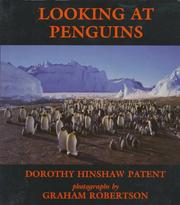
Describes the different kinds of penguins, their habitat, behavior, and status as an endangered species.
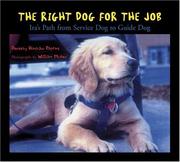
Dog lovers everywhere will enjoy this insightful, adorable, and fact-filled photographic picture-book exploration of why dogs really are a man s best friend.
Discusses the mosquito's habits, development, and diseases it carries, as well as ways to control these creatures.
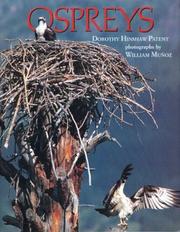
Describes the physical characteristics and habits of ospreys, or fish hawks, as well as threats to their survival and efforts to protect them.
Describes the many varied relationships between plants and insects.
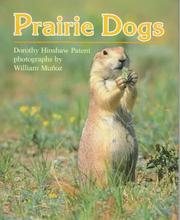
Discusses the habits and life cycle of prairie dogs and examines their place in the ecology of their grassland environment.
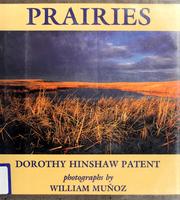
Describes the characteristics of the North American prairie, the plants and animals found there, and the efforts made to preserve and restore the landscape that once stretched unbroken from southern Canada into northernmost Mexico.
An introduction to the quarter horse, the most popular breed of horse in the world.
An introduction to the extremely adaptable members of the raccoon family which includes the familiar North American raccoon, the coatimundi, ringtail, and panda.
Discusses the characteristics and habits of members of the reptile family with particular attention to their mating and reproductive behavior.
Discusses the characteristics and habits of those animals who can live both on land and in water.
Describes the characteristics, behavior, and special organs of different spiders including the water spider, orb web spider, black widow, and tarantula.
Describes the characteristics and habits of spiders in general, as well as a number of specific spiders.
Describes, in text and illustrations, the physical characteristics, habits, and natural environment of the Grizzly bear and discusses the threats that humans pose to their survival.
Discusses a variety of segmented worms, their characteristics and habits, and their usefulness to humans.
Text and photographs present the history of thoroughbred horses, how they are trained to be some of the fastest horses in the world, the competitive sports in which they participate, and some well-known horses.
Introduces the characteristics and habits of various members of the weasel family including the sea and river otter, mink, skunk, badger, and others.
When wolves were eliminated from Yellowstone National Park the natural system was out of balance. Shows the return of the wolves to the park and the natural balance being restored. When wolves were eliminated from Yellowstone National Park, the natural system became out of balance. …
Shows how all food--grains, vegetables, fruits, and dairy and meat products--begins on the farm as sun, earth, air, and water combine to grow plants.
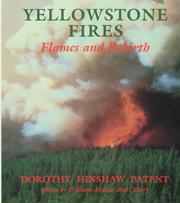
Describes the massive forest fires that burned almost one million acres of Yellowstone National Park in 1988 and the effects, both positive and negative, on the ecology of the forest there.