Energy
1998
72 pages
Children's
Discusses the sources and uses of different types of energy, both natural and man-made, including electrical, magnetic, light, heat, sound, and nuclear energy.
Discusses the sources and uses of different types of energy, both natural and man-made, including electrical, magnetic, light, heat, sound, and nuclear energy.
Explores the universe and all of its elements, including the Milky Way, our solar system, the stars, and other astronomical bodies, and examines why it is important to continue studying the cosmos.
Explains the structure and function of DNA and discusses current relevant scientific research.
Discusses plate tectonics, the theory that the surface of the earth is always moving, and the connection of this phenomenon to earthquakes and volcanoes.
Examines the different kinds of carbohydrates, their sources, and their role in nutrition.
Examines the major vitamins and minerals, their functions, sources, proper daily dosages, and deficiency symptoms.
"Find out why people need to sleep, why we dream, and how to have good sleep habits"--
"Find out what dyslexia is, how it is diagnosed, and how it is treated"--
Introduces fungi, discussing their varieties, physical structure, reproduction, role in the ecosystem, and uses.
Describes these single-celled organisms and explains their importance in maintaining the ecosystem.
"Examines the science behind hurricanes, including how and where tropical storms form, the various types of tropical storms, how scientists track hurricanes, and provides hurricane safety tips"--Provided by publisher.
"Examines the science behind wildfires, including what causes them, the different types of wildfires, their devastating effects, and how to stay safe during a wildfire"--Provided by publisher.
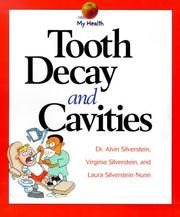
Describes the structure and function of teeth and discusses how cavities form and how to prevent them.
Discusses the activities of the body during sleep, the importance of sleep, common sleep disorders, and the phenomenon of dreams.
Describes potential dangers at home, at play, on streets and roads, at school, and when interacting with other people and explains what to do in an emergency.
"An introduction to the history and most up-to-date research and treatment of eating disorders"--Provided by publisher.
Discusses the three kinds of symbiosis: mutualism, commensalism, and parasitism and describes examples of these relationships.
Discusses the concepts of time and biological cycles, including the phases of the moon, the internal clocks of plants and animals, seasonal rhythms, and the aging process.
Young readers learn basic information about ferrets and keeping them as pets.
"Provides basic information about tarantulas and keeping them as pets"--Provided by publisher.
"Provides basic information about hairless dogs and keeping them as pets"--Provided by publisher.
"Provides basic information about miniature horses and keeping them as pets"--Provided by publisher.
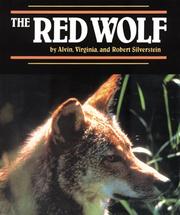
More than 300 kinds of North American animals are listed as endangered or threatened --- at risk of dying out. But people are taking action to help them, sometimes with remarkable success. This book presents the story of the red wolf and the effort to …
Describes the physical characteristics, behavior, and habitat of the Florida panther as well as the efforts being made to save it from extinction.
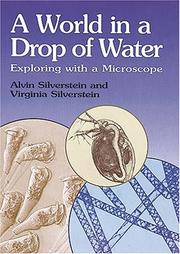
Describes the structure and characteristics of the amoeba, paramecium, and other members of the "circus" that Leeuwenhoek discovered in a drop of water.
Briefly discusses the various ways plants and animals obtain and utilize food, describes the human digestive system and what happens to a roast beef sandwich when it is eaten, and explains the principles of nutrition.
Describes how pimples form, discusses the causes of acne, self-treatments, and when to see a doctor, and outlines strategies to limit or prevent acne.
Explores the mating habits and reproductive process of several members of the plant and animal kingdoms.
Describes the causes, symptoms, effects, and treatment of the various forms of epilepsy.
Discusses new technologies which have the potential for wiping out disease, breeding new species of plants and animals, manufacturing exotic chemicals, and improving the quality of life.
Describes the various glands of the body and the functions of the hormones they secrete. Also discusses hormones in plants and other animals.
Discusses the main parts of the nervous system, how it works, the diseases that may affect it and recent treatments for these diseases.
Describes the structure of the ear, what sound is and how the ear receives it, the ear's role in maintaining balance, and how the ear can be damaged.
Describes the new science devoted to the study of systems in living things such as sound-location, memory and learning, heat detection, and biological clocks and the application of the findings to man-made systems.
Explains different types of cancer, their causes, symptoms and treatment, and, through case studies, what it is like to live with cancer.
Describes how advances in genetics are being used in screening and counseling and discusses the medical and ethical aspects of genetic engineering.
Describes the varied forms of shore life found in and around tidal pools and discusses their struggle for survival.
Discusses the scope and history of this growing health problem, its medical and ecological background, symptoms, diagnosis, treatment, practical methods for avoiding infection, and current research into possible cures.
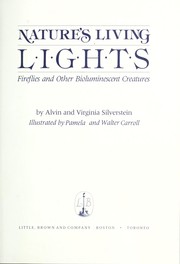
Describes bioluminescent insects, plants, and sea animals and the uses these creatures make of their self-generated lights, such as communication, finding food, and attracting mates.
Discusses different methods of recycling waste, associated advantages and problems, and the possible future.
Describes the human muscular system and compares it to that of other animals.
Describes the anatomy of the hand and discusses the many things hands can do, how left- or right-handedness is developed, and how gestures are used in communication.
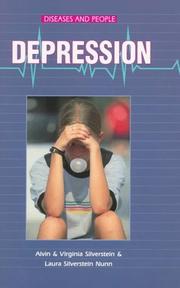
Discusses the causes, symptoms, and treatments of depression, examining the different types of depression and their effects on the individual and on society.
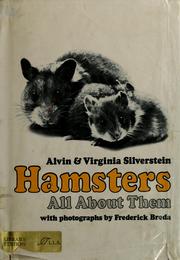
A manual on the care, feeding, and breeding of golden hamsters as pets, with information on their life in the wild, their use in the lab, and other kinds of hamsters.
An introduction to the heart; kinds, causes, and symptoms of heart disease and how it is treated; hazards for the heart; and how to protect oneself from heart disease.
Discusses what allergies are, the body's reactions to them, things people are allergic to, and how to cope with allergies.
Examines the habits, characteristics, and history of mice. Also includes a discussion of pet mice and the use of these creatures in folklore, legend, and literature.
Discusses twenty-nine animals and plants that have unusual distinctions such as fastest runner, biggest eater, largest living thing, longest sleeper, keenest sense of smell, and oldest living thing.
Discusses the pros and cons of keeping various small pets such as chinchillas, hamsters, gerbils, and mice and examines their care, feeding, and emotional needs.
Traces the history and life cycle of the potato, describes the different types of potatoes, how they are grown, and their uses, and suggests a number of experiments, activities, and recipes using potatoes.
Describes many different types of addictions, their effects, and treatments.
Discusses genetics and genetic diseases and explores the controversy over genetic engineering with both its potential benefits and its potential health hazards.
Discusses the subject of sleep, including animal sleep, dreams, nightmares, and sleep problems.
Discusses the human respiratory system and what happens when we breathe. Also describes different and strange methods of respiration in many animals and plants.
Describes various kinds of robots and their uses and considers the relationship of robots and humans and the implications of a world increasingly run by robots.
Explains the functions and importance of the sense organs in plants and animals.
Discusses the rapidly expanding field of bionics in which scientists seek o copy and improve upon nature's devices for seeing, hearing, reasoning, and other functions.
Describes the mutually beneficial partnerships existing around the world between animals from different families such as the relationship between the African tick bird and the rhinoceros.