Penguins
1987
47 pages
Children's
Describes the appearance, habits, habitat, daily life, infancy, and enemies of the bird that travels on land and in the water, but not in the air.
Describes the appearance, habits, habitat, daily life, infancy, and enemies of the bird that travels on land and in the water, but not in the air.
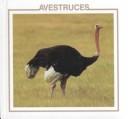
Describes the appearance, habits, nesting, feeding, infancy, and importance to humans of the world's largest bird.
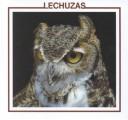
Describes the appearance, habits, daily life, nesting, infancy, and enemies of this nocturnal bird.
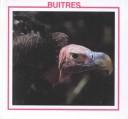
Describes the life cycle, habitats, and reputation of both Old and New World vultures.
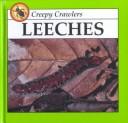
Describes what leeches look like, where they live, what they eat, how they travel, who their relatives are, and how some of them draw blood.
Describes the physical characteristics, behavior, and life cycle of snails and slugs.
Describes how birds living in the desert adapt to the harsh environment.
Describes different kinds of predatory fish, where they live, and how they catch their prey.
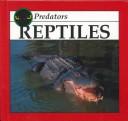
Describes alligators, snakes, lizards, turtles, and other reptiles and how they catch their prey.
An introduction to the physical characteristics, habits, and natural environment of chickens and their relationship to humans.
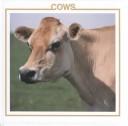
An introduction to the physical characteristics, habits, and natural environment of cows and their relationship to humans.
An introduction to the physical characteristics, habits, and natural environment of sheep and their relationship to humans.
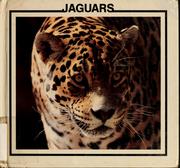
An introduction to the physical characteristics, habits, natural environment, relationship to humans, and future of the jaguar, the biggest wild cat in the Americas.
An introduction to the physical characteristics, habits, natural environment, relationship to humans, and future of the cheetah, the big, spotted cat that is the fastest mammal on earth.
An introduction to the physical characteristics, habits, natural environment, relationship to humans, and future of the spotted leopard, the most adaptable of the big cats.
Describes the history and characteristics of the breed of horse known around the world for its speed.
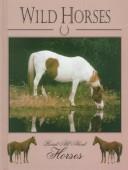
Describes the history and physical characteristics of the wild horses found in the western United States.
An introduction to the physical characteristics, habits, natural environment, and future prospects of the beaver.
An introduction to the physical characteristics, habits, natural environment and future prospects of the two species of North American deer.
An introduction to the physical characteristics, habits, and natural environment of the raccoon.
An introduction to the physical characteristics, habits, natural environment, and future prospects of the North American wolf.
Describes the climate, geography, exploration, and plant and animal life of the continent so cold that no one lives there.
An introduction to the physical characteristics, habits, natural environment, and future prospects of the three species of bears that live in North America.
Describes the physical characteristics, hunting habits, natural environment, and relationship to humans of various wild members of the dog family including wolves, foxes, and coyotes.
Introduces bobcats, lynxes, jaguars, and cougars, all endangered wild cats of North America.
Discusses the physical characteristics, habits, and dangerous aspects of jellyfish and describes different species and their relatives.
Presents information about the physical characteristics, homes, and habits of various species of parrots.
Describes what it is like to see sharks in their natural environment and discusses dangers that divers face and how they protect themselves.
Briefly describes several of the species of sharks that are more than ten feet long, including the great white shark, tiger shark, whale shark, and basking shark.
Presents simple information about the physical characteristics and behavior of various species of sharks.
Briefly describes how people fish for sharks, photograph and study them, use them for food or other products, and the dangers humans face from sharks and vice versa.
Briefly describes some of the more than 350 species of sharks, including bullhead sharks, mackerel sharks, sawsharks, and carpet sharks.
Describes the habitat, lifestyle, infancy, predators, relationship with humans, and future of this large African monkey.
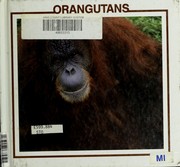
Describes the habitat, lifestyle, infancy, predators, relationship with humans, and future of this great ape.
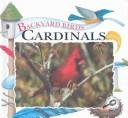
Describes the physical characteristics, habitats, and behavior of different kinds of cardinals, including the red-capped cardinal, pyrrhuloxia, and red cardinal.
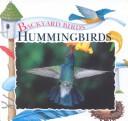
Describes the physical characteristics, habitats, and behavior of different kinds of hummingbirds, including the ruby-throated, rufous, and Cuban hummingbirds.
Gives a historical description of the areas in Florida where citrus fruits are grown and provides specific details on the cultivation of oranges there.
An introduction to the geography, history, farming, Amish settlements, and tourist attractions of the Pennsylvania Dutch country.
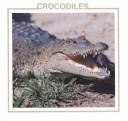
Discusses the physical characteristics and behavior of the crocodile, with an emphasis on its presence in Australia.
Describes the physical characteristics, behavior, natural habitat, and relationship to humans of the marsupial that looks like a teddy bear.
Discusses various endangered animal species in the world, why and how they become endangered, and what can be done to save them.
Discusses the lifestyle of the large plantations in America's Old South and gives some notable examples, including Mount Vernon, Monticello, and Mississippi's Magnolia Hall.
Describes the Arctic, including its seasons, geographical features, animal life, and people.
Describes the physical characteristics, behavior, habitats, and different species of alligators and crocodiles.
well is it about sponges? sea sponges, cleaning sponges... MR. CLEAN Magic erase!!! give a detail or 2 lol
Examines the physical characteristics, habitat, life cycle, and behavior of the owl who bears the nickname, "winged tiger."
Introduces the geography, history, government, economy, industry, culture, historic sites, and famous people of the Sunshine State.
An introduction to the physical characteristics, habits, and natural environment of the various species of African antelope.
Describes the history, characteristics, and temperament of the Bengal cat and what it is like to have one for a pet.
Briefly discusses the physical characteristics and habits of owls, vultures, hawks, and eagles.
Describes the physical characteristics and habits of the large bears that thrive on the southern coast of Alaska.
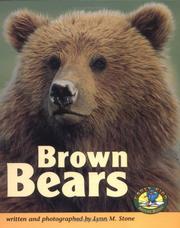
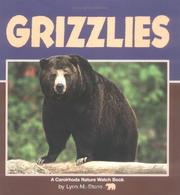
Describes the physical characteristics, behavior, and habitat of brown bears in general and grizzly bears in particular and discusses differences between them and other bear species. Gives safety tips for bear watchers.
Describes the plants and animals that live in wetlands such as swamps, marshes, and bogs, and emphasizes the importance of wetlands to the earth's ecology.
Describes the physical characteristics, habitat, behavior, and life cycle of one of the tallest birds in North America.
Examines the physical characteristics, habitats, and behavior of sea turtles and describes some of the different kinds.
Describes how animals without teeth can defend themselves.
Describes the physical characteristic, habitat, and behavior of one of the few marine mammals that eats other warm-blooded animals.
Describes the prairie of central North America including the grasses, other plants, birds, mammals, and life underground.