Neil Richard Ardley was a prominent English jazz composer and pianist, who from 1964 to 1970 was director of the New Jazz Orchestra. He also made his name as the author of more than 100 popular books on science and technology, and on music.
From Wikipedia · CC BY-SA 4.0
45 books in our catalogue.
1981
37 pages
Children'sScience Fiction
Predicts the course of future developments in space exploration and travel, based on advances that have been made since the first man landed on the moon in 1969.
1981
37 pages
Art & PhotographyChildren's
A look at "tomorrow's home" with its electronic servants, videophone computer, space-age meals, and technological indoor leisure activities.
1981
37 pages
Children's
Discusses future possibilities in transportation based on current research and technology.
1982
36 pages
Children's
Examines space travel, colonies in space, cloning, time travel, and other futuristic possibilities and explores the likelihood of their eventual existence.
1984
127 pages
Children'sScience & Nature
Standalone books
1976
64 pages
Art & PhotographyChildren'sHistory
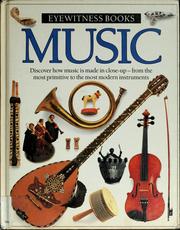
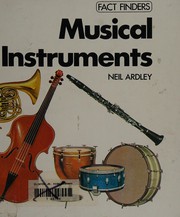
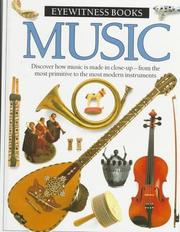
Text and pictures introduce musical instruments from early times to the present--from pipes and flutes to electronic synthesizers.
1993
119 pages
Children'sScience & Nature
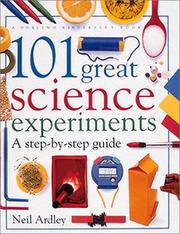
Describes 101 science experiments or activities that can be done with household items and easily found ingredients.
1989
176 pages
Questions and answers present information on curiosities and wonders in such categories as the universe, animals, the human body, and the arts.
1995
80 pages
Art & PhotographyChildren's
1991
29 pages
Children'sScience & Nature
Simple experiments demonstrate the properties of water.
1994
196 pages
Language & ReferenceScience & Nature
1989
48 pages
Children's
Describes the construction and operation of an oil rig and the search for and discovery of petroleum.
1984
32 pages
Children'sScience & Nature
Suggests experiments to illustrate some basic chemistry principles.
1992
31 pages
Children's
Includes simple activities that illustrate some of the ways we use numbers.
1991
29 pages
Children's
Simple experiments explain plant growth.
1992
48 pages
Children's
Explains electricity, how it works, and its many uses.
1978
23 pages
Children's
Describes the characteristics of the various families of instruments and the members of each one.
1987
159 pages
Science & Nature
1991
29 pages
Children's
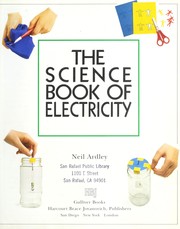
Simple experiments demonstrate basic principles of electricity.
1992
29 pages
Children's
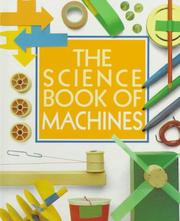
Simple experiments illustrate mechanical principles.
1991
29 pages
Art & PhotographyChildren's
Simple experiments demonstrate basic principles of sound and music.
1989
48 pages
Children's
Describes the construction and use of dams and discusses their benefits and dangers.
1984
32 pages
Children's
Introduces the principles of force and energy and includes a variety of simple experiments.
1995
192 pages
Children's
1991
32 pages
Science & Nature
1984
32 pages
Art & PhotographyChildren's
Explains the characteristics and transmission of sound, musical and otherwise, and suggests related activities.
1983
32 pages
Children's
Experiments present basic principles of light.
1991
29 pages
Children's
Simple experiments demonstrate basic principles of air and flight.
1991
29 pages
Children'sScience & Nature
Explains the principles of color and gives instructions for a variety of simple experiments.
1992
29 pages
Children's
Simple experiments demonstrate the laws of gravity.
1992
29 pages
Children's
Explores and explains different properties of temperature through simple experiments.
1991
29 pages
Children's
Simple experiments demonstrate basic principles of light.
1991
29 pages
Children's
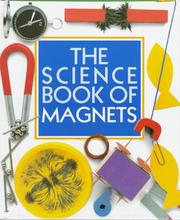
Simple experiments demonstrate basic principles of magnetism.
1992
29 pages
Children's
Simple experiments demonstrate the laws of motion.
1992
29 pages
Children's
Gives instructions for a variety of simple experiments that explain how the body's five senses operate.
1983
32 pages
Children's
An activity-oriented introduction to BASIC language, which enables a user to program a computer. To carry out the activities described here, a microcomputer is needed.
1983
32 pages
Children's
Presents experiments with water which demonstrates its properties.