Michael Parker Pearson
1957–
Michael Parker Pearson, is an English archaeologist specialising in the study of the Neolithic British Isles, Madagascar and the archaeology of death and burial. A professor at the UCL Institute of Archaeology, he previously worked for 25 years as a professor at the University of Sheffield in England, and was the director of the Stonehenge Riverside Project. A prolific author, he has also written a variety of books on the subject.
From Wikipedia · CC BY-SA 4.0
6 books in our catalogue.
1999
250 pages
Politics & Society
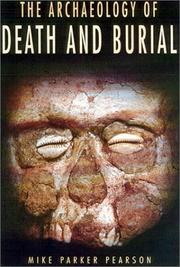
The Archaeology of Death and Burial is an archaeological study by the English archaeologist Mike Parker Pearson, then a professor at the University of Sheffield. It was first published in 1999 by Sutton Publishing Limited, and later republished by The History Press.
1994
252 pages
Art & Photography
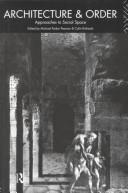
We take the built environment for granted; yet we create worlds of meaning through the buildings we construct. Architecture is a powerful medium for representing, ordering and classifying the world. For over a decade archaeologists have been using concepts of the symbolic use of space, …
2001
208 pages
History
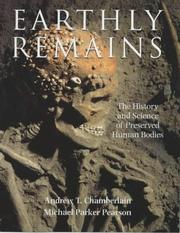
The preserved remains of other human beings hold a special fascination for the living. Earthly Remains explores the history and science behind such phenomena and examine cases ranging from ancient Egyptian mummies to twentieth-century politicians, from Iron Age bog bodies to cryonics and modern preservation …
2013
291 pages
HistoryPolitics & Society
Despite its being one of prehistory?s most alluring landmarks, before the Stonehenge Riverside Project led by noted archeologist Mike Parker Pearson, only half of Stonehenge itself?and far less of its surroundings?had ever been investigated, and many records from previous digs are inaccurate or incomplete. With …
2003
143 pages
Food & CookingPolitics & Society
2001
250 pages
Politics & Society
"The archaeology of death and burial is central to our attempts to understand vanished societies. Through the remains of funerary rituals we can learn not only about the attitudes of prehistoric people to death and the afterlife, but also about their way of life, their …