George Philip Lakoff is an American cognitive linguist and philosopher, best known for his thesis that people's lives are significantly influenced by the conceptual metaphors they use to explain complex phenomena. Lakoff served as professor of linguistics at the University of California, Berkeley, from 1972 until his retirement in 2016.
From Wikipedia · CC BY-SA 4.0
17 books in our catalogue.
1980
255 pages
★ 4.27 · 11
Philosophy & Religion
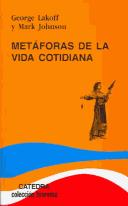
Metaphor, the authors explain, is a fundamental mechanism of mind, one that allows us to use what we know about our physical and social experience to provide understanding of countless other subjects. Because such metaphors structure our most basic understandings of our experience, they are …
1987
614 pages
Literary & Classics
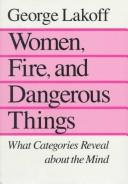
Focusing on studies of how humans categorize objects and ideas, this book examines the new understanding of human thought which proposes that human reason is imaginative, metaphorical, and intrinsically linked with the human body.
2000
493 pages
Philosophy & ReligionScience & Nature
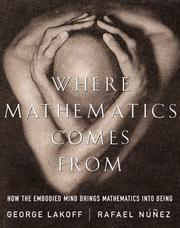
"This book is about mathematical ideas, about what mathematics means - and why. It is concerned not just with which theorems are true, but with what theorems mean and why they are true by virtue of what they mean. And it provides an answer to …
2004
124 pages
Politics & Society
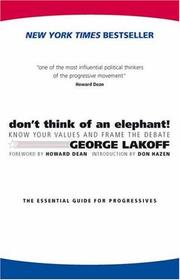
"Don't Think of an Elephant! is the antidote to the last forty years of conservative strategizing and the right wing's stranglehold on political dialogue in the United States." "Author George Lakoff explains how conservatives think, and how to counter their arguments. He outlines in detail …
1996
421 pages
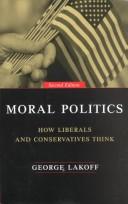
What do conservatives know that liberals don't? According to George Lakoff, they know that American politics is about morality and the family. Moral Politics takes a fresh look at how we think and talk about politics and shows that political and moral ideas develop in …
2008
292 pages
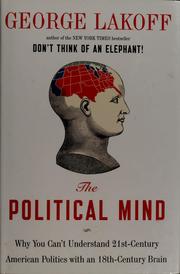
This volume attempts to harness cognitive science to rally progressive politicians and voters by contending that conservatives have framed the debate on vital issues more effectively than liberals. According to this book, conservatives comprehend that most brain functioning is grounded not in logical reasoning but …
1999
624 pages
Philosophy & Religion
What are human beings like? How is knowledge possible? What is truth? Where do moral values come from? Questions like these have stood at the center of Western philosophy for centuries. In addressing them, philosophers have made certain fundamental assumptions-that we can know our own …
1989
230 pages
Philosophy & Religion
2014
168 pages
Politics & Society
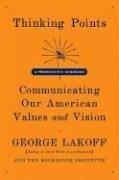
This handbook is for progressives who want to articulate their goals and values to voters, understand how conservatives think and why people often vote against their best interests, and frame the political debate. It not only explains what framing is and how it works but …
2006
156 pages
Politics & Society
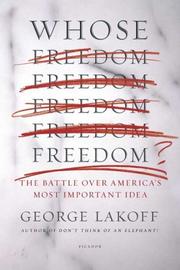
This book offers a concise, and systematic explanation of how conservatives think and use language to frame political issues, and how language and moral framing equals power in politics. It also explains how progressives can fight back with their own values and communicate their vision …
2006
288 pages
Politics & Society
1970
207 pages
Language & Reference
1971
157 pages
Language & ReferencePhilosophy & Religion