Anthropology, culture, and society


Small places, large issues
"Small Places, Large Issues is a clear and accessible overview of social and cultural anthropology. In this thoroughly revised and updated edition, Thomas Eriksen focuses on the central topics such as kinship, ethnicity, ritual and political systems, and offers a wealth of examples that demonstrate …
Standalone books


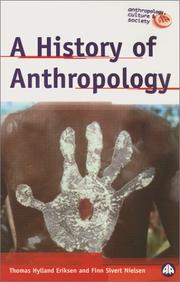
A history of anthropology
This is a thoroughly updated and revised edition of a popular classic of modern anthropology. Avoiding geographical bias, the authors provide summaries of ‘Enlightenment’, ‘Romantic’ and ‘Victorian’ anthropology, from the cultural theories of Morgan and Taylor to the often neglected contributions of German scholars. The …

What Is Anthropology?
"Lucid and accessible, What is Anthropology? draws examples from current affairs as well as previous anthropological studies. Eriksen looks at the history of anthropology, its unique research methods and some of its central concepts, such as society, culture and translation. This second edition contains a …
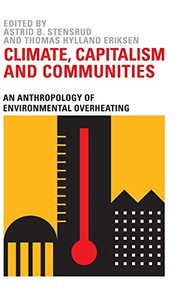
Climate, Capitalism and Communities
An anthropological perspective on the devastating environmental consequences of global capital's growth imperative.



Tyranny of the Moment
"The turn of the millennium is characterized by exponential growth in everything related to communication - from the internet and email to air traffic. 'The Tyranny of the Moment' deals with some of the most perplexing paradoxes of this new information age. Who would have …