Milton Meltzer was an American historian and author best known for his nonfiction books on Jewish, African-American, and American history. Since the 1950s, he was a prolific author of history books in the children's literature and young adult literature genres, having written nearly 100 books. Meltzer was an advocate for human rights, as well as an adjunct professor for the University of Massachusetts, Amherst. He won the biennial Laura Ingalls Wilder Award for his career contribution to American children's literature in 2001. Meltzer died of esophageal cancer in 2009.
From Wikipedia · CC BY-SA 4.0
82 books in our catalogue.
2004
128 pages
Biography & MemoirChildren'sPolitics & Society
Examines the life of the reclusive nineteenth-century Massachusetts poet whose posthumously published poetry brought her the public attention she had carefully avoided during her lifetime.
2006
160 pages
Biography & MemoirChildren's
Learn about the life of the famous American author.
Standalone books
1976
217 pages
HistoryPolitics & Society
Six million-- a number impossible to visualize. Six million Jews were killed in Europe between the years 1933 and 1945. What can that number mean to us today? We can that number mean to us today? We are told never to forget the Holocaust, but …
1999
128 pages
Children's
Traces the origins and progression of hysteria, fear, and persecution associated with witches and witchcraft in western societies.
1987
217 pages
Children'sHistory
Letters, diaries, memoirs, interviews, ballads, newspaper articles, and speeches depict life and events in the American colonies in the second half of the eighteenth century, with an emphasis on the years of the Revolutionary War.
1972
260 pages
Biography & MemoirChildren'sPolitics & Society
Tells the story of a leading poet of the Harlem Renaissance during the 1920s who devoted his life to writing about the black experience in America.
1988
168 pages
Children'sHistory
A recounting drawn from historic source material of the many individual acts of heroism performed by righteous gentiles who sought to thwart the extermination of the Jews during the Holocaust.
1969
180 pages
Business & EconomicsHistoryPolitics & Society
American's years of hardship from the stock market crash to the new deal
2002
132 pages
Biography & MemoirChildren's
1982
120 pages
Children'sHistory
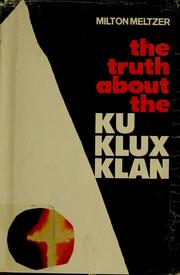
Discusses the emergence of the Ku Klux Klan during Reconstruction, its rebirth during the 1920's and 1960's, Klan activity today, who joins it and why, and what can be done about it.
2007
32 pages
Biography & MemoirChildren's
1978
384 pages
Art & PhotographyBiography & MemoirPolitics & Society
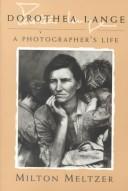
A biography of Dorothea Lange, whose photographs of migrant workers and rural poverty helped bring about important social reforms.
1964
213 pages
HistoryPolitics & Society
2002
193 pages
Children'sHistoryPolitics & Society
Presents an overview of the events in African American history that culminated in the United States during the 1950s and 1960s and represented a striving for equal rights.
1972
275 pages
Children'sHistorical Fiction
In this reissue of the classic youth novel, Josh, a logger on the Ohio River, helps runaway slaves to freedom until he is betrayed, captured, and thrown in prison. “In an afterword the reader learns a bit about the sources Meltzer consulted--histories, autobiographies, first-person accounts, …
1956
379 pages
HistoryPolitics & Society
Few books in the history of publishing have proved so useful and long-lasting as this pioneering work in the popular history of African Americans. The first edition appeared in 1956, on the eve of the civil rights revolution. A highly original attempt to portray a …
1987
58 pages
Biography & MemoirChildren'sPolitics & Society
Traces the life and achievements of the black educator who was instrumental in creating opportunities for blacks in education and government.
1998
139 pages
Biography & MemoirChildren'sPolitics & Society
1987
306 pages
HistoryPolitics & Society
A history of Black people in the United States, as told through letters, speeches, articles, eyewitness accounts, and other documents.
1966
125 pages
Children'sHistoryPolitics & Society
1984
128 pages
Children'sFantasy
Offers tidbits from history, folklore, tradition, and other sources that help explain how people got their names and what they mean.
1985
282 pages
Children'sHistory
Presents a history of pacifism and those who have protested against war, concentrating on war resistance in the United States, from colonial days up to the current movement against nuclear arms.
1980
65 pages
Children'sHistory
Examines the historical patterns of slavery throughout the world, from ancient times through the present.
1967
231 pages
Children'sHistoryPolitics & Society
Uses original source material to portray the momentous changes that took place in American labor, industry, and trade-unionism following the Civil War. Focuses on the work environment in this early age of mass production and mechanization, and shows how abusive conditions often led to labor …
2002
304 pages
HistoryYoung Adult
1998
95 pages
Children'sFood & CookingPolitics & Society
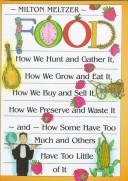
Discusses the social, political, economic, and gastronomic aspects of food in its many forms.
1986
188 pages
Biography & MemoirChildren'sPolitics & Society
A biography of our first President, from his growing-up years in Virginia to his death at Mount Vernon.
1968
281 pages
Biography & MemoirChildren's
A biography of the Negro poet and playwright whose themes were based on his diverse ethnic and social experiences in Harlem and in the many places he traveled.
1960
303 pages
Biography & Memoir
1987
144 pages
Children's
Discusses how memory works and examines what we remember and why we forget.
2003
125 pages
Children'sHistory
Explains the mechanics of the first printing press, invented in Germany by Gutenberg in the fifteenth century, and describes the press's revolutionary impact on the world.
2001
96 pages
Children'sHistory
2007
160 pages
Biography & MemoirChildren'sPolitics & Society
1986
54 pages
Biography & MemoirChildren'sPolitics & Society
With an emphasis on her early years, covers the life of the South African woman who married a prominent fighter for racial equality in South Africa and later became a leader in her own right.
1985
57 pages
Biography & MemoirChildren's
Focuses on the childhood and youth of the writer, thinker, and social activist Betty Friedan.
1999
111 pages
Children'sHistoryPolitics & Society
Describes the economic and environmental conditions that led to the Great Depression and the horrific dust storms that drove people from their homes westward during the 1930s.
2003
Biography & MemoirChildren's
Examines the troubled life of the nineteenth-century writer whose poetry and short stories broke new ground in American literature.
1970
167 pages
Children's
Describes the brief period of the Reconstruction in Mississippi during which equal rights, economic justice, and black power were realities.
1993
167 pages
Children's
Discusses the value of gold and how it has been sought after and used in countries around the world throughout history.
2004
157 pages
Children'sHistoryPolitics & Society
Takes a look at the history of rail transportation, focussing on how it transformed societies from isolated communities which rarely communicated or traded into unified nations.
1993
233 pages
Children'sPolitics & Society
Combines background commentary with quotes from Lincoln's letters, speeches, and public papers to provide a personal view of his life, thoughts, and actions.
1985
120 pages
Biography & MemoirChildren's
Surveys the life of Samuel Clemens, who grew up in Missouri, was a river pilot on the Mississippi, became a journalist, and achieved fame as a writer under the pen name Mark Twain.
2004
160 pages
Biography & MemoirChildren'sLanguage & Reference
1994
201 pages
HistoryPolitics & Society
1972
312 pages
History
Slavery can be traced back to the start of Western civilization. Meltzer explains slavery in the ancient world and discusses the influence of Christianity. He points out that slavery did not develop its racial aspects until the Renaissance, and provides details of the day-to-day lives …
1976
259 pages
Politics & Society
Discusses the historical reasons for the Jewish migration to America in the nineteenth and early twentieth century and the accompanying problems of the journey and their adjustment here in the face of prejudice and intolerable living and working conditions.
1992
116 pages
Children'sHistory
Introduces the history, effects, and current uses of the potato in the world marketplace.
1990
179 pages
Children'sPolitics & Society
Traces the history of the Bill of Rights of the United States Constitution and highlights contemporary challenges to each of the ten amendments.
1980
181 pages
Children'sHistory
Traces the history of the Chinese in the United States describing their contributions to the development of this country and their struggle for economic and social equality.
1974
Art & PhotographyPolitics & Society
1997
159 pages
Biography & Memoir
A biography of the Scottish immigrant who made a fortune in the steel industry and used much of it for philanthropic causes.
1976
160 pages
Examines art projects run during the 1930's which were funded by the Work Projects Administration
1989
203 pages
Children'sHistory
Letters, diaries, memoirs, interviews, ballads, newspaper articles, and speeches depict life and events during the four years of the Civil War.
1993
207 pages
Biography & MemoirChildren'sPolitics & Society
A look at the life and times of our seventh president.
1967
375 pages
A pictorial history of the Negro in American entertainment.
1974
279 pages
Children's
Traces the causes, events, and aftermath of the Mexican War, including quotes from contemporary sources and discussions of the social and political climate of the country at the time.
1999
144 pages
Biography & MemoirChildren's
A biography of the poet who became known for his ability to speak to the common people, by shaping out of the plain English of ordinary Americans the voice of their vast experience.
1994
167 pages
Politics & Society
2004
176 pages
Children's
2006
160 pages
Biography & MemoirChildren's
1995
133 pages
Children'sHistory
1972
204 pages
Children's
A landmark work on one of the most important, but least written about Indian Wars, Hunted Like a Wolf chronicles the Second Seminole War. From 1835 to 1842, Washington waged a violent war upon the Seminole and their allies in Florida, using any measure, including …
1566
160 pages
Children's
2001
86 pages
Children's
Surveys the history of pirates, why and how they became thieves and killers, the lives they led on sea and on land, the harm they did, and the fates they suffered.
1986
122 pages
Children's
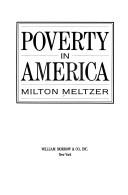
Examines the nature of poverty in America, its effects on children, women, the elderly, and racial minorities, and past and present efforts to fight it.
1988
145 pages
Biography & MemoirChildren'sLanguage & Reference
The author recounts the discoveries, hardships, and triumphs of his early life and the influences that shaped him as a person and writer.
1967
231 pages
Children'sPolitics & Society
2003
123 pages
Children's
1979
264 pages
Politics & Society
Discusses the evolution of a concept of human rights, how these rights are defined and interpreted throughout the world, to what degree they are observed or violated, and the international institutions and agencies responsible for gaining and maintaining these rights for individuals.
1982
174 pages
Biography & MemoirChildren'sHistory
A collection of accounts of personal experiences of Jewish Americans, taken from letters, journals, diaries, autobiographies, speeches, and other documents.
1985
169 pages
Children'sHistoryPolitics & Society
Pictures and text present the Jewish experience in America from the colonial period to the present.
1972
130 pages
History
Examines the history, significance, and applications of the Fifth Amendment, the Constitutional safeguard against self-incrimination.
1983
216 pages
Children'sHistory
A historical survey of terrorism, investigating the tactics of modern terror organizations and totalitarian regimes and evaluating the morality and political effectiveness of their violent actions.
2000
96 pages
Children'sHistoryPolitics & Society
Describes the history and practice of slavery, particularly the African slave trade--its origins, growth, and demise from the fifteenth through the nineteenth centuries.
1991
255 pages
Biography & MemoirChildren's
A biography of the third president who was also the author of the Declaration of Independence.
2007
168 pages
Children's
In 1931 Worcester, Massachusetts, Joey Singer, the teenaged son of Jewish immigrants, suffers with his family through the early part of the Great Depression, trying to finish high school, working a milk delivery route, marching on Washington, and eventually even becoming a hobo, all the …
2008
208 pages
Biography & MemoirChildren's
1996
85 pages
Children's
Highlights some weapons of war explaining how and why they were developed, various responses people have had to them, and the impact they have had upon society.
1994
164 pages
Children'sLanguage & Reference
1974
274 pages
Children'sHistory
A history, using numerous secondary sources, of the Jews in eastern Europe, especially during the nineteenth century.