Plants
1992
32 pages
Children'sScience & Nature
Experiments and other activities introduce plants and how they grow.
Experiments and other activities introduce plants and how they grow.
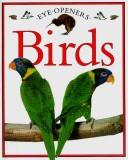
Brief text and photographs introduce the sparrow, duck, eagle, parrot, kiwi, flamingo, hummingbird, and owl.
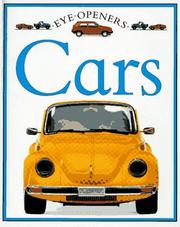
Eye Openers is a delightful new series of photographic picture books for the very young. • Superb close-up photographs show animals and machines that children love to look at and talk about • Designed to be both entertaining and educational • Large print text encourages …
Text and illustrations introduce such ships and boats as the tug boat, paddle steamer, power boat, and container ship.
Discusses the importance of vitamins and minerals, and how they are used by the body.
Water and fibre - Fibre in food - Digesting water and fibre - Using fibre - Water balance - Fibre balance - Kidneys - Healthy eating, drinking and diets - Daily requirements.
Provides a simple explanation of the differences between things that are living and nonliving, and includes examples of each.
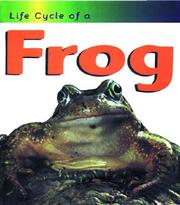
Traces the growth of a tadpole into an adult frog and discusses the frog's environment and natural enemies.
Describes the physical characteristics, habits, and natural environment of the hedgehog.
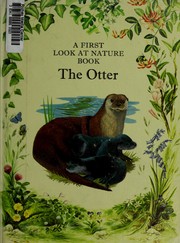
Describes the natural environment and activities of a river otter including mating and caring for her young.
Describes the life cycle and natural environment of the bumblebee.
Describes the physical characteristics, habits, and natural environment of a mallard duck and her brood.
Traces the life cycle of the emperor penguin, one of two species that breed on the Antarctic mainland.
Identifies and describes some types of horses and ponies, including information about their uses, and facts about riding, grooming, and racing.
Identifies and describes common pets, including cats, dogs, and hamsters.
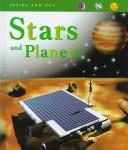
Text and captioned illustrations present information about the stars, sun, moon, and the planets.
Explores the reasons why people live in various geographical regions and how they survive, discussing towns, cities, and dwellings in mountains or next to water.
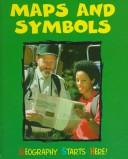
An introduction to maps, what they represent, how they are constructed, and how to read them.
Explores the habitats, behavior, and anatomy of such sea creatures as the barnacle, starfish, and shark.
Describes, in simple text and illustrations, how cows are born and raised on a farm.
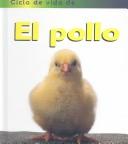
Describes, in simple text and illustrations, how chickens are born and raised on a farm.
Describes, in simple text and illustrations, how ponies are born and raised on a farm.
Describes, in simple text and illustrations, how sheep are born and raised on a farm.
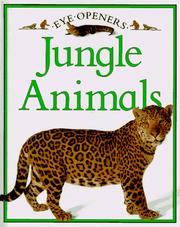
Simple text and close-up photos introduce the jaguar, orangutan, toucan, and several other jungle animals.
An introduction to asthma that discusses causes, diagnosis, prevention, and treatments, and describes what it is like to live with the condition as well as what to do during an attack.
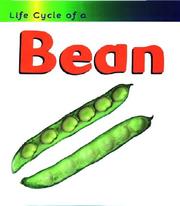
An introduction to the life cycle of a bean from the time it is first planted until, four months later, it has grown as tall as an adult person.
Introduces the life cycle of a mushroom, from formation of spores through underground growth of the mycelia to formation of mature mushrooms.
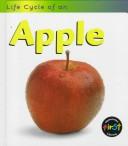
A simple introduction to the life cycle of a red delicious apple, from the blossoming of a flower bud in the spring through the development and ripening of the fruit to its harvesting in the fall.
Text and photographs describe some animals who are active at night, such as foxes, bats, owls, and fieldmice.
Photographs and simple text describe some of the animals found in the oceans, such as dolphins, crabs, sea lions, and starfish.
Discusses notable discoveries in medical history, including acupuncture, corneal transplants, and oral vaccination.
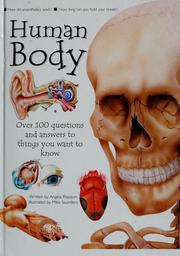
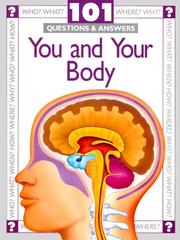
Questions and answers introduce the human body and how it works.
"Discusses blizzards, where they are common, how they affect us, and how people cope with blizzards"--Provided by publisher.
Introduces the life of a Monarch butterfly, from its beginning as a tiny egg laid on a milkweed leaf through its metamorphosis from a caterpillar to an adult butterfly.
Introduces the mating, hatching, life cycle, eating, predators, and lifespan of chickens.
Describes the life cycle of sockeye salmon, as they swim from the river in which they were hatched to the sea and back again.
Simple text, photographs, and illustrations depict different categories of airplanes, including light aircraft, passenger plane, biplane, and fighter plane.
A simple introduction to different types of freight and commuter trains.
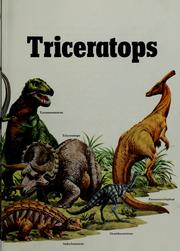
Outlines the daily activities of a triceratops, a Cretaceous plant-eater whose hide and horns made it a match for any fierce predator.
Describes the behavior, anatomy, and inner workings of various insects, including the honeybee, butterfly, and stick insect.
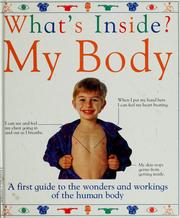
A first guide to the wonders and workings of the human body. Pictures and text describe both external and internal human anatomy.
Discover the secrets of the human body and find out how everything works! Understand how the body functions to help you move, hear, breathe, grow ... and much more. Packed with facts, illustrations, infographics and photos, this is the perfect introduction to the amazing human …
Depicts such vehicles as the bulldozer, combine harvester, and concrete mixer.
"Bugs are all around us! Find out all about the world of bugs, from wriggly caterpillars to busy weaver ants."--Publisher description.
Simple text and lifelike color photos introduce inhabitants of the prehistoric world.
"In this book about rulers you can: Find out about forces, levers, friction and air pressure; Discover how quickly you react; Make a catapult and much more!"--Back cover. Suggested level: primary.
"Describes the causes, symptoms, and treatment of head lice and how to prevent yourself from getting them"--Provided by publisher.
Brief text and photographs introduce the snail, spider, butterfly, bumblebee, grasshopper, ant, ladybug, and damselfly.
Photographs and text show the development of a kitten from birth to ten weeks old.
Introduces the life cycle of a dog, using a golden retriever as an example and describing various stages of her life, from newborn puppy to adult dog having puppies of her own.
An introduction to the life cycle of a frog from the time it is a tiny egg laid in water until it is two years old.
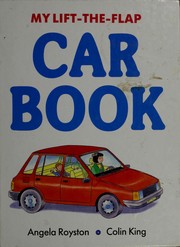
Highlights and explains the various parts of a car during a visit to the garage for gas. Features movable flaps and tabs.
How do reptiles keep warm? What happens to a snake's skin as the snake grows? What are crocodile eggs like? This book is about reptiles: what they do, how they behave and how these characteristics are different from other groups of animals. Beautifully illustrated with …
Discusses the concept of heat, explaining its effects on the different states of matter in a flowchart format.
Explores the Victorian period through contemporary artefacts of the time.
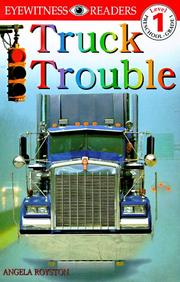
Describes a truck driver's rig and some of the problems he encounters as he picks up and delivers his cargo.
SCIENCE. This book looks at the effects of global warming and asks what will happen to people, animals and the environment if the Earth's thick masses of ice melt. It imagines scenarios at varying stages in the future and examines whether and how disaster can …