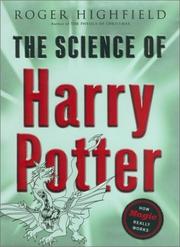
The Science of Harry Potter
2002
368 pages
FantasyScience & Nature
A look at the scientific principles underpinning the magic of Harry Potter reveals some of the true magic behind science.
A look at the scientific principles underpinning the magic of Harry Potter reveals some of the true magic behind science.
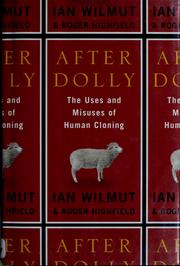
Scientist Ian Wilmut describes the process by which he and other researchers at Scotland's Roslin Institute cloned the first mammal, a sheep named Dolly, and makes a case for the medical uses of cloning.
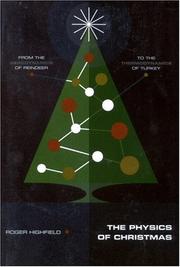
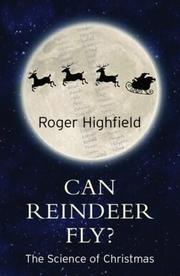
Why might Rudolph's nose have been red? Why do we actually give Christmas gifts? Why has smell become an important component in the Christmas shopping experience? Roger Highfield, science editor of London's Daily Telegraph and co-author of the highly acclaimed The Arrow of Time, has …
"Everyone is familiar with Darwin's revolutionary idea about the survival of the fittest, and most people agree that it works, but Darwin's famous theory has one major chink. If life is about survival of the fittest, then why would we risk our own life to …
"Embryologist Magdalena Zernicka-Goetz has spent two decades unraveling the mysteries of fetal development. By studying embryonic mouse cells, she witnessed the embryo's ability to rid itself of abnormal cells as it prepared for implantation in the womb. When Zernicka-Goetz became pregnant at 44, she received …
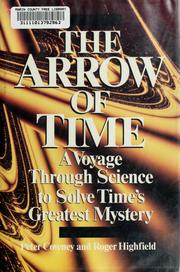
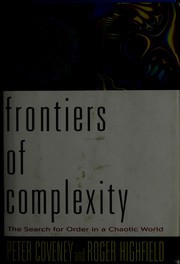
In this groundbreaking new book, Peter Coveney and Roger Highfield, the scientist coauthors of the highly praised The Arrow of Time, explore how complexity in mathematics, physics, biology, chemistry, and even the social sciences is transforming not only the way we think about the universe, …