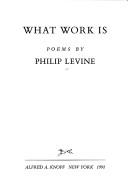
What work is
1991
77 pages
Poetry & Drama
Collection of poetry in praise of those men and women who work at many diverse jobs.
Collection of poetry in praise of those men and women who work at many diverse jobs.
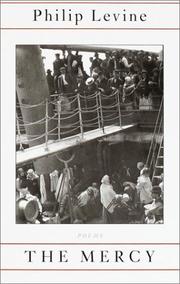
"The final collection of new poems from one of our finest and most beloved poets. The poems in this wonderful collection touch all of the events and places that meant the most to Philip Levine. There are lyrical poems about his family and childhood, the …
Philip Levine's new collection of poems (his first since The Simple Truth was awarded the Pulitzer Prize) is a book of journeys: the necessary ones that each of us takes from innocence to experience, from youth to age, from confusion to clarity, from sanity to …
The National Book Award-winning poet presents thirty-three poems that interweave a complex web of myth, public and private history, family, memory, and invention as they explore the timeless truths of human existence.
"Always a poet of memory and invention, Philip Levine looks back at his own life as well as the adventures of his ancestors, his relatives, and his friends, and at their rites of passage into an America of victories and betrayals. He transports us back …
Includes selections from the poet's latest works, Sweet will and A walk with Tom Jefferson.
A volume of prose poems and formal verses includes pieces on breakfasting late-shift Detroit auto workers, a woman who sings with the Spanish dawn, and an Andorran communist black-market supplier.
"Philip Levine's The Bread of Time is an amalgam of celebration and quest. It celebrates the poets who were his teachers - particularly John Berryman and Yvor Winters, whose lives and work, Levine believes, have been misunderstood and misinterpreted. As the book progressed to include …