Holes
1984
32 pages
Children'sScience & Nature
Introduces holes and the many ways they are useful to us, as in scissors, flower pots, fish nets, tunnels, lace, keys, garden hoses, and computer cards.
Introduces holes and the many ways they are useful to us, as in scissors, flower pots, fish nets, tunnels, lace, keys, garden hoses, and computer cards.
Recounts five episodes from history when the introduction of new plants or plant products, from grains and spices to coal, influenced the course of civilization.
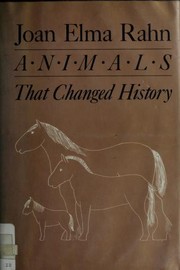
Discusses the effects on history--for better or worse--made by the horse, rat, and beaver.
Discusses the influence papyrus and paper, rubber growing, and the tea and opium trade have had on the relationships between nations.
Explains the importance of ears, hearing, and the sense of balance, and describes how we hear, how various animals hear, and how animal hearing differs in structure and usage from human hearing.
Describes how living things, especially animals and human beings, adapt to environmental temperature changes, in order to conserve heat in cold weather and lose it in hot weather.
A collection of simple experiments concerned with plant growth. A sequel to Seeing What Plants Do.
Discusses ways to collect and preserve plants and several techniques to produce prints and photographs of the collection.
Introduces the many ways plants and animals capture animals for food, pollination, mating, and other purposes.