
The great sea
Dünyanın en büyük medeniyet merkezlerinden birine dair olağanüstü bir çalışma.” –Tony Barber, Financial Times Avrupa, Asya ve Afrika’yı birbirine bağlayan Akdeniz, binlerce yıldır farklı dinlerin, yönetim şekillerinin, kültür ve ekonomilerin buluştuğu, çatıştığı, birbirini etkilediği bir yer olmuştur. Akdeniz tarihi profesörü David Abulafia, tarihöncesinden 21. yüzyıla …


The Boundless Sea
"David Abulafia's new book guides readers along the world's greatest bodies of water to reveal their primary role in human history. The main protagonists are the three major oceans-the Atlantic, the Pacific, and the Indian-which together comprise the majority of the earth's water and cover …

The Discovery of Mankind
"Emphasizing contact between peoples rather than the discovery of lands, and using archaeological findings as well as eye-witness accounts, David Abulafia explores the social lives of the inhabitants of the Atlantic World, the motivations and tensions of the first transactions and the swift transmutation of …
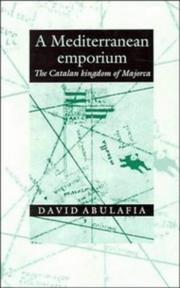
A Mediterranean emporium
Situated astride the trade routes of the western Mediterranean, the Catalan kingdom of Majorca has long deserved attention. It was established under the will of King James I of Aragon, who conquered Majorca in 1229, but was ruled from 1276 to 1343 by a cadet …

The two Italies
"This book is a study of the economic development of different areas of twelfth-century Italy whose commercial interests were closely inter related: the Norman Kingdom of Sicily, famed for the wealth of its rulers, and the maritime ports of Genoa, Pisa and Venice, which were …