Insects
1951
160 pages
Children's
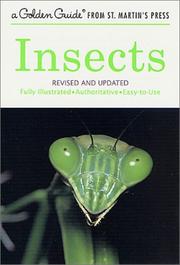
A guide to North American insects which gives popular name, describes life and reproduction cycles and feeding habits, and includes a range guide.
A guide to North American insects which gives popular name, describes life and reproduction cycles and feeding habits, and includes a range guide.
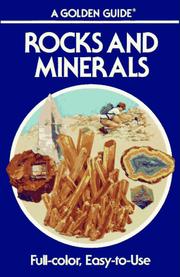
Includes information on collecting and identifying minerals, and sections on metallic, nonmetallic, gem and rock-forming minerals, and on igneous, sedimentary and metamorphic rocks.
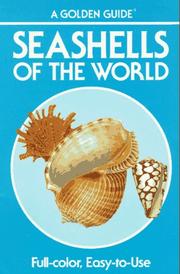
A guide for the identification of shells, including general information on mollusks and advice on shell collecting and study.
Presents facts about many aspects of comets: their heads, orbits, weight, tails, elements, speed, origin, and deaths.
Describes the whale's structure and adaptation to water life as a mammal, telling how it breathes, dives, feeds and mates, and briefly notes the importance of the whaling industry.
Briefly relates the history and habits of the hamster, the clean little rodent from Syria, that has enjoyed great success as a pet since its introduction to America.
A guide to mammals of North America that includes a description of each species, a detailed drawing of the animal, and a map locating his common range.
A guide to approximately 200 of the most commonly viewed American wildflowers, with 134 color paintings. Flowers are grouped by color.
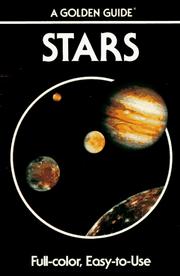
On t.p.: A guide to the constellations, sun, moon, planets, and other features of the heavens.
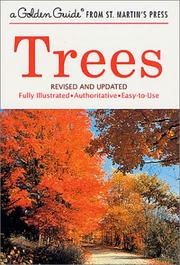
Pictures of 140 common trees, identifying their leaves, fruit, form, range, and uses.
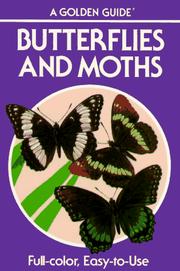
This book illustrates in full color 423 of the most common, wide-spread, important, or unusual North American species of Lepidoptera.
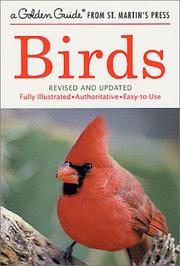
An illustrated guide to the identification of 129 common birds in the United States and southern Canada, describing their physical characteristics and habitats. Includes a table listing migration dates and nesting and feeding habits.
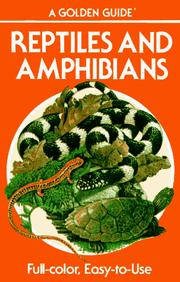
Sections on turtles, lizards, snakes, alligators and crocodiles, frogs and toads, and salamanders give information on description, habits and range for each species common in the United States.
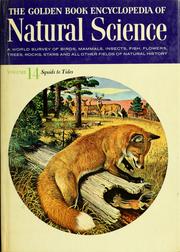
As part of the push towards mastery of the sciences in the early 1960's, Golden Book published this Encyclopedia of Natural Science. The subtitle on the cover of each volume is "A world survey of birds, mammals, insects, fish, flowers, trees, rocks, stars and all …
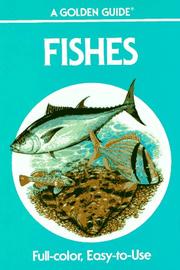
An illustrated handbook of common fishes of North America, examining the characteristics, range, and description of twenty-two groups including herring-like fish, butterfly fishes and angelfishes, jacks, and sharks and rays.
Describes the three types of lifting machines, the jobs they are designed to do, and the duties of the men who operate them.
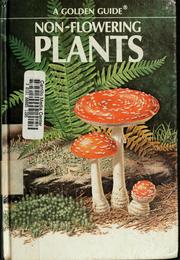
A guide to plants which reproduce without bearing flowers, including a general introduction and suggested activities. Divided by type of plant: algae, fungi, lichens, mosses, liverworts, ferns, and gymnosperms.
An illustrated and descriptive guide to identifying birds. Includes information about the birds' calls and what regions they can be found in.
Explains how to tell toads from frogs, how these amphibians make their mating call, their reproduction and development, and other aspects of their habits and behavior.
Describes the basic power tools, called machine tools, which cut or form a piece of metal and discusses the jobs of men who work with these instruments.
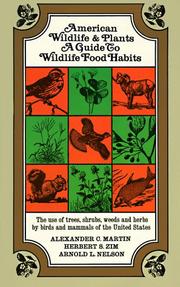
"'Prepared under the direction of the United States Fish and Wildlife Service, Department of the Interior, at the Patuxent Research Refuge, Laurel, Maryland.'"
Describes and names the various bones of the skeletal system and discusses their function, formation, and growth.
Describes the characteristics of the many species of crabs and briefly discusses their commercial importance.
Describes the many dinosaurs, the age in which these enormous creatures thrived, and the conditions that reduced them to displays of brittle bones in today's museums.
A general introduction to gastropods, or snails, of which there are approximately 80,000 kinds living in the sea, in freshwater, and on land.
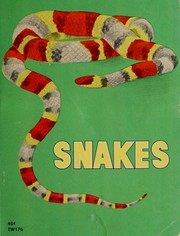
Tells how snakes reproduce, eat, move, protect themselves, and make poison, and gives other information on their habits and behavior.
Discusses such aspects of the composition and functions of blood as the manufacture of red blood cells, blood type and Rh factor, lymph, clotting, disease and antibodies, and the transportation of oxygen, hormones, and food.
Introduces various types of pipes and plumbing systems and how they work.
Describes the fundamental facts about the different kinds of rabbits which, nest to the rat and mouse, are the most common animal alive.
Presents information obtained from manned and unmanned lunar probes about the surface, atmosphere, and interior of the moon.
Illustrations, large type text, and more detailed text explain how the everyday things inside a house work--doorbell, electric light, stove, refrigerator, furnace, toilet, and faucet.
Discusses the composition of human skin, ways in which it protects the body, and common skin problems.
Describes the basic types of cargo ships, how they are built and propelled, and the freight they carry.
Discusses the formation and structure of caves, the animals that dwell in them, and man's use of caves from ancient times to today.
A simple discussion of coral animals and the various theories developed to explain how coral reefs and atolls form.
Discusses the desirable properties and uses of gold, silver, and platinum; describes the nineteenth-century gold rush; discusses techniques of mining and refining gold; and presents an amateur's guide for gold prospecting.
Gives basic information about minerals and information about how to become a mineral collector.
Introduces the owl, whose silent flight enables it to capture many careless rodents.
Introduces five kinds of starfish and describes their growth, reproduction, feeding, habitats, and relationship with human beings.
Information on sharks: their development in prehistoric times, species of sharks and rays, their difference from bony fish, their structure, and sense organs.
Discusses some famous meteorites, what happens when they hit the earth, the elements of which they are composed, what their source may have been, different types of meteorites, their speed and movement, and meteor swarms.
Includes information on the rocky Mountains. It covers the core of the range that includes parts of Colorado, Wyoming, Montana, Idaho, Utah, Britis Columbia, and Alberta. It gives facts on rocks and minerals, fossilsl, birds, mammals and fishes, flowers and trees, places to go and …
Discusses the sun's heat, size, surface, and energy; sunspots and their effects; and the importance of the sun to the earth.
Describes the construction and operation of the two basic kinds of tractors and the many ways that they are used.
Describes the design, construction, and operation of the basic types of trucks. Also outlines the skills and functions of the men who drive, service, and dispatch these vehicles.
Defines the structure and insides of fruit, flowers, seeds, vegetables, stems, and leaves, describing how each nourishes itself.
Describes the structure of the stomach and the digestive tract and the functions of each in the digestive process.