What is migration?
1997
32 pages
Children's
A simple presentation of the migratory habits of such animals as geese, eels, frogs and toads, and more.
A simple presentation of the migratory habits of such animals as geese, eels, frogs and toads, and more.
Describes the main types of reptiles and their physiology, habitats, behavior, diet, and offspring.
Introduces the different qualities and aspects of living things, including people, other animals, and plants, and covering such topics as breathing, feeding, energy, growth, locomotion, and reproduction.
Summary: Introduces biomes, showing and describing the main kinds and discussing their location, climate, and plant and animal life, as well as those developed by humans.
Introduces the life cycles of plants, insects, amphibians, reptiles, fish, birds, mammals, and humans, discussing birth, growth, parental care, and reproduction.
Introduces mammals, showing and describing the main groups and discussing their anatomy, habitats, reproduction, and diet.
Introduces the animal kingdom, showing and describing the main groups of animals and discussing their anatomy, habitats, reproduction, and classification.
Describes ways in which marine mammals have adapted to ocean habitats, including physiology, reproduction, diet, and other behavior.
Introduces birds, describing some different types and discussing their physical characteristics, behaviors, and habitats.
An alphabet book introducing occupations oriented to the community, including emergency workers, medical workers, the service industry, and business.
An alphabetical introduction to different types of musical instruments, describing their origins and how to play them.
An alphabetical introduction to various aspects of the pioneer lifestyle in North America, including toys, clothing, school, home crafts, and special occasions.
An alphabetical introduction to the history, geography, politics, culture, education, industries, and recreations of Canada.
An alphabetical introduction to the history, geography, politics, culture, education, industries, and recreations of Mexico.
An alphabetical introduction to various aspects of the United States, such as "Baseball," "Kennedy Space Center," "Presidents of the U.S.A.," and "Yellowstone."
Each letter of the alphabet introduces a brief discussion of a word that has something to do with computers.
An alphabetical listing of words related to life on the American frontier, from ague and bank barn to wheelwright and zoetrope.
Provides examples of patterns in nature, either visual or in recurring events.
Learn how symmetry is present in nature, and the effect on life, as well as learn new vocabulary about symmetry through questions and activities.
Young children will love this introduction to the tallest land animal in the world! Simple text and captivating photos feature calves, or babies, being cared for by their mothers and learning how to survive in woodlands and on savannas. Children will also learn about the …
Provides information about young mammals, including anatomy, habitat, and relatives.
Briefly traces the development of Christmas traditions in America, and describes Christmas weddings, holiday preparations, Santa Claus, and Christmas trees
Introduces bees and beekeeping, covering such aspects as pollination, the making of honey, and beekeeping equipment and practices.
A look at life on a dairy farm, describing how the cows are housed, fed, cared for and milked.
Introduces the farming of sheep for wool, covering such aspects as shearing, lambs, sheep dogs, wool processing, farm maintenance, and the proper care of sheep.
Describes how animals adapt to survive, discussing camouflage, mimicry, poisons, defense, adaptations to weather, feeding, and mating.
Introduces different kinds of domestic dogs, their behavior, physiology, uses, diet, and young.
Introduces how different animals use their body parts in different ways to seek, find, and take in food.
Shows how animals build different kinds of shelters to protect them from weather and predators, and provide a safe place to have babies.
This book discusses the selection, care, feeding, grooming, and play of guinea pigs.
By introducing young readers to the colors of foods, the children also learn about healthy eating. Eating fruits and vegetables in as many colors of the rainbow as possible every day, helps us get all the important vitamins and nutrients we need to stay healthy.
Examines various types of dwellings in western Northern America during the nineteenth century, discussing their construction and design as well as the lives of the settlers who lived in them.
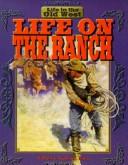
Examines various aspects of life on cattle ranches in the nineteenth century, describing the reasons for becoming a rancher or a cowboy, the hard work involved, food and living arrangements, and more.
Describes the lure of gold that drew both men and women west and discusses how they lived, the difficulties they faced, the impact of the gold rush on Native Americans, and more.
Discusses the reasons people migrated West, the routes they took, some of the difficulties faced by pioneers, the different ethnic and cultural backgrounds of the settlers, and the building of homes and towns.
Describes the hard rock mining industry that developed in the American west following the gold rush, including the operations of a mine and the lives of the miners and their families.
Examines the four zones of the marine biome, their plants and animals, coral reefs and estuaries, the importance of the oceans to the Earth, and how they are in danger.
Examines the behavior, habitats, and bodies of these prehistoric fish, dispels shark myths, and describes how sharks hunt, why they are important to oceans, and why many are in danger.
An introduction to the various types of worms, how they reproduce, what they eat, where they are found, and the threats to their existence.
Discusses how sudden changes in weather creates storms.
Describes how plants contribute to the water cycle through transpiration, how water trapped underground for thousands of years remains part of the water cycle, the importance of water to all living things, and the ways in which people can help protect Earth's water and keep …
This question and answer book invites readers to explore the world around them. Throughout the book, children are asked, "What do you see? What do I see?" The response appears on the opposite page.
Stories, photographs, illustrations and maps on arctic whales and the history of Inuit and European arctic whaling. Suitable grades 2-8.
Covers the geography, climate and peoples of the arctic featuring ways, illustrations, photographs and a glossary. Suitable grades 2-8.
Titre s'insérant dans une collection de guides pratiques visant à guider les enfants de six à dix ans dans le choix d'un animal de compagnie tout en les sensibilisant aux responsabilités que l'adoption entraîne au quotidien. Chaque opus s'ouvre sur une présentation de l'animal en …
Introduces the basic concepts of bird flight, including lift and thrust, takeoff, landing, migration, and the anatomy of birds.
Introduces rainforest birds, including parrots, toucans, and hornbills, and discusses forest floor dwellers, middle layer fliers, and raptors.
Describes the origins of Harvest celebrations, holidays, and traditions and how they differ throughout the world. Includes games, recipes, customs, and interesting facts from various countries.
Describes the various stages of a monarch butterfly's life, from egg to pupa to caterpillar to butterfly, as well as its migration and dangers that it faces.
A fascinating exploration of the special land of India, highlighting its geography, mountains, jungles, deserts, and monsoons.
uhhhhhhhh beez?
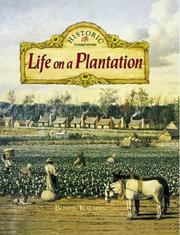
Describes the plantations that existed in the southern United States into the nineteenth century, examining what life was like for the owners of these large farming communities, their children, and the slaves.
Examines aspects of Vietnamese society, including family ties, types of homes, city and village life, clothing, language, employment, ethnic minorities, and leisure activities.
This book examines the clothing styles, accessories, and hygene habits of men, women, and children in eighteenth century North America.
Complimented by cartoon style illustrations, photographs of rooms from historic homes, a glossary of terms at the end and such brow raising factoids as hedgehogs in use as pest control, this book is a wonderful source for readers of all ages who want to peek …
A look at the history and culture of Mexico.
This book introduces children to the important people who make our communities cleaner, safer, and better. Action shots feature people working in construction, at schools, in hospitals, fighting fires, doing police work, and volunteering.
This book examines the customs and traditions of nineteenth-century North American communities.
Describes the geography, natural resources, trade and industry, cities, people, transportation, agriculture, and environment of Canada.
This book describes the homes, customs, and habits of seventeenth and eighteenth century North American settlers.
Looks at the many different games children played in the nineteenth century, and describes the rules and play in detail.
Presents information about spiders, including different species, reproduction, differences between males and females, and some ways to protect spiders from environmental damage.
Discusses the physical characteristics, habitat, and behavior of penguins, unique warm-blooded birds.
Describes various aspects of the lives of women and girls during the nineteenth century, including their lack of educational opportunities, restrictive clothing, pastimes, courtship and marriage, and limited employment prospects.
Ce documentaire invite le lecteur à découvrir le second plus grand continent du monde. Divisée en 54 pays, l'Afrique se distingue par un climat chaud et ensoleillé. Des pyramides d'Égypte au désert du Sahara, des particularités climatiques aux réseaux alimentaires, le livre propose un véritable …
Describes the physical characteristics, eating habits, behavior, and migration patterns of humpback whales, large marine mammals that are now an endangered species.
How are today's toys and games different from those in the past? This informative title compares the pastimes and playthings of the olden days to the modern games and toys kids love today. Simple text and engaging pictures aid students in their comparison of two …
Examines Native American powwow celebrations, discussing the preparation, grand entry, competitions, traditional costumes, instruments, and symbols.
Moving story of the horrors within a cloistered convent.
Une collection de premiers documentaires visant à initier les jeunes enfants à la beauté de la nature et à leur faire découvrir le mode de vie des êtres vivants qu'elle abrite, tout en les sensibilisant à la nécessité de les protéger. Le texte concis, rédigé …
Learn how the bodies of different animals, including frogs, butterflies, and beetles, change as these animals go through their life cycles. Includes supplemental audio CD.
Describes the geography, natural resources, trade and industry, cities, people, transportation, agriculture, and environment of Peru.
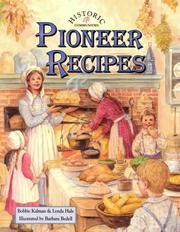
Presents instructions for handicrafts and activities in the spirit of the pioneers, including decoupage, hooked rugs, corn-husk dolls, block and sponge printing, and making a Jacob's ladder.
Bobbie Kalman's acclaimed Historic Communities Series provides a close-up view of how people lived more than two hundred years ago. Colorful photos, many taken by Bobbie Kalman herself at restored historic villages across the country, help support the fascinating information. Children will have fun learning …
Describes the general stores of the past, how they were stocked, the roles of storekeepers in communities, and what has happened to general stores in the twentieth century.
Describes the physical characteristics, behavior, life cycle, and natural environment of the koala, a marsupial found only in Australia
Examines aspects of Vietnamese society, including family ties, types of homes, city and village life, clothing, language, employment, ethnic minorities, and leisure activities.
This new second revised edition explores the different ways in which Canadians express their creativity through music, art, dance, theater, and television. Updated information includes facts and statistics along with current popular performers such as actress Rachel McAdams and singer Nellie Furtado.
Explains the basics of rock climbing, including safety issues and competitions.
Introduces the basics of gymnastics, covering techniques, equipment, and routines.
Discusses the growth and reproduction of plants, including the functions of various parts of plants and plant-growing activities.
This book introduces children to the daily life, customs, and culture of the Anishinabe people in the western Great Lakes region.
Describes the customs, daily life, commerce, religion, government, future of the Native Americans who lived in the eastern Great Lakes region.
Describes the many different race cars that exist and how they operate.
Text and photographs describe basic facts about trees, their function in a forest, and how they benefit animals, people, and the environment.
Describes the elaborate Yuletide customs of the period between 1837 and 1901, when Queen Victoria ruled Britain, and discusses how these customs were adopted and sometimes changed in the United States during the same period.
Describes the origins of Halloween celebrations and traditions and how they differ throughout the world. Includes crafts, games, recipes, poems, and customs from various countries.
Colorful introduction to the various kinds of fish, their physical attributes and what they eat.
Presents a children's study of mammals such as horses, lions, gorillas, whales, and others, and discusses they habitats, what they look like and how they move, how whales breathe, how they care for their young, and how they protect themselves.
Shows where animals make their homes within a city, how they find their food, and why they have moved from natural to human habitats.
this book looks at the daily life and routine of students at a ballet school.
Introduces various astronomical phenomena visible from earth, including the sun, stars, comets, the moon, eclipses, and auroras.
Describes the physical characteristics of mountain gorillas and the conservation efforts being carried out to keep them from becoming extinct.
Une collection de premiers documentaires visant à initier les jeunes enfants à la beauté de la nature et à leur faire découvrir le mode de vie des êtres vivants qu'elle abrite, tout en les sensibilisant à la nécessité de les protéger. -- Le texte concis, …
Describes the world's principal foods, how they are grown, prepared, and their nutritional content.
Explains the formation, ecosystem, and life forms of coral reefs.
Describes the Native nations that have lived for thousands of years in the northernmost part of present-day North America, where the frigid climate impacts every aspect of daily life for such groups as the Inuit, Yupik, and Inupiat.
This book shows children how past communities were different from those of today by pairing modern photographs with illustrations of life in pioneer times. Topics include malls and general stores, family homes, today's classroom and a one room school, recess games of the past, food …
Examines the biology, behavior, and habitats of sea otters, describing them hunting, playing, mating, and rearing their young.
Introduces the personal relationships and daily activities that were part of the family life of slaves in colonial America.
This introduction to France provides information about the country's history, geography, cities and regions, people, government, plants and animals, and culture.
Describes the work of the milliner in colonial America, which included gown making, laundering, and lace making, as well as selling sewing supplies and other goods.
Discusses the importance of wood in colonial times, describing how trees were cut down and made into lumber and the training of apprentice carpenters, cabinetmakers, coopers, and wheelwrights.
Provides an overview of spiders, covering such things as their physical characteristics, web-building, mating behavior, and defensive techniques.
Describes the secular and religious origins of Easter and Easter symbols such as eggs, bells, and the Easter bunny. Also includes games, recipes, stories, and related projects.
Describes the origins of spring celebrations, holidays, and traditions and how they differ throughout the world. Includes games, recipes, customs, and interesting facts from various countries.