Smelling things
1991
31 pages
Children's
Simple text and photographs introduce the sense of smell. On oversize pages.
Simple text and photographs introduce the sense of smell. On oversize pages.
Examines the sun in the context of other, more distant stars and discusses the night sky and movement of the earth.
Describes the development of a seed into a plant by means of pollination, fertilization, and seed dispersal. Fun, factual, and fascinating--who says science has to be dull? The natural world comes alive for young readers with Rookie Read-About Science "RM"! With striking, full-color photos and …
Explains how rainbows are formed by the colors in sunlight shining through water.
A simple description of what magnets are and how they work.
Introduces the world's longest river, describing its origin, tributaries, animal life, and the different countries through which it flows.
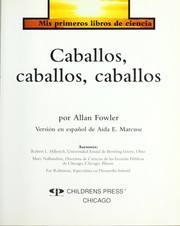
A simple explanation of how horses are beautiful and useful animals.
A simple explanation of the moon and why it changes shape throughout the month.
Explains how the Dewey decimal system of classification for libraries was invented and how it works.
Explains how tidal pools form and the types of plants and animals that inhabit them.
An introduction to the spider, an eight-legged creature, not to be confused with the six-legged insect.
Describes the characteristics, size, and movement of icebergs, ice caps, and glaciers. Describes the characteristics, size, and movement of icebergs, ice caps, and glaciers. Large type and color illustrations are used to introduce these ice formation, with material on haw glaciers move and how pieces …
Discusses people who live in desert areas of the world and how it affects their lives.
Gives a simple explanation of the four main directions and tells how to use the sun to determine direction.
An introduction to the habits and habitats of lions, tigers, leopards, and jaguars.
Provides information about the need for sleep and effects of its lack, sleepwalking, dreaming, animals which sleep and dream, nocturnal animals, and hibernation.
Briefly describes the physical characteristics of snails and a few of the thousands of species of these creatures that exist.
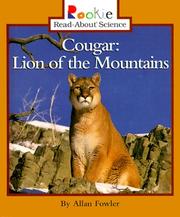
Describes the physical characteristics, behavior, life cycle, and habitats of the puma, which is also called cougar or mountain lion.
Defines energy and examines how energy from the sun provides us with heat, light, plants, food and other things necessary for life on Earth.
Explains how mushrooms grow, which ones we eat, and why some are safe to eat and some are not.
A simple description of the characteristics of winter.
Describes the characteristics of deserts, the animals and plants that live in them, and their constantly changing nature.
Identifies the characteristics of insects and describes some of their useful activities and products.
A brief introduction to a number of extinct mammals that lived from the time of the dinosaurs to the late Ice Age.
With simple language and colorful photographs, this book introduces some basic ideas about monkeys.
Briefly describes the physical characteristics and behavior of whales.
Discusses baby teeth and permanent teeth, the importance and uses of teeth, and how they are used by different kinds of animals.
Describes the climate as well as plant, animal, and human life in the nearly treeless area spread across northern parts of Canada, Alaska, Europe, and Asia.
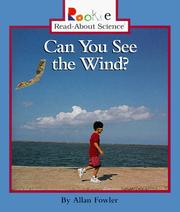
A simple discussion of wind, the causes of air movements, and the uses of wind power.
Discusses the sense of touch and how it works to tell us more about the world around us.
Illustrations and brief text describe how different animals use their coloring to blend into their surroundings.
Presents such signs of summer as heat, playtime, thunderstorms, growing, and fun.
Briefly describes some of the work that is done on different kinds of farms and the foods that are produced there.
Describes how these social insects live and work together in organized communities that are like bustling cities.
Simple text and illustrations describe the characteristics, origin, and pollution of lakes.
Une collection proposant des informations sommaires sur les grandes régions du globe. Le texte court et accessible, destiné aux apprentis lecteurs, est accompagné d'une carte et de photographies. Quelques mots particuliers sont rappelés en fin d'ouvrage. [SDM].
A brief history of the Library of Congress describing its role in disseminating information and in collecting, cataloging, and preserving books and other related materials.
An introduction to life in the Great Plains and prairie areas of the United States.
Briefly describes the physical characteristics and habits of ducks and geese.
A simple description of how a cow produces milk and how the milk is processed for human consumption.
Traces the Mississippi River from its source near Canada to the Gulf of Mexico and discusses its history, towns, and physical features.
Provides brief information about each of the nine planets that makes up our solar system.
Describes the location, climate, and animal life of the cold regions at either end of the earth.
Simple text and illustrations describe what clouds are made of, how they differ, and why they fall back to earth as rain.
Tells about rain and storms, showing what can happen during stormy weather.
Examines different kinds of seashores, sandy, marshy, and rocky, and discusses how they can change over time.