


NHS plc
"Comprehensive, free health care for everyone, funded by all taxpayers, was the founding principle of the NHS. It became the model for public services across the world." "But this vision is being destroyed. The NHS is being broken up and dismantled. Important services are no …
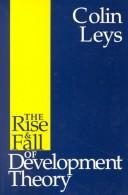
The rise & fall of development theory
This book is a 'stock-taking' of development theory at the end of the twentieth century. It argues that the assumptions on which development theory has rested since the 1950s no longer hold. The ex-colonial 'third world' for which development theory was originally developed has fractured …

Histories of Namibia
Summary:"From 1966 to 1989 Namibians fought a bitter war of independence against the South African apartheid regime. This book tells the story in the words of eleven young Namibians who came to maturity during those years - men and women, 'northerners' and 'southerners', those who …


Necessary and unnecessary utopias
"What is Utopia?" "An economy that provides everyone's needs?" "A society which empowers all people?" "A healthy, peaceful and supportive environment?" "The contributors to this Socialist Register are not looking for miraculous solutions. What is presented here are their contributions to a movement which believes …


The empire reloaded
How does the new American empire work? Who runs it? How stable is it? What is the new American Empire's impact throughout the world? What is its influence on gender relations? On the media? On popular culture? This book provides the answers.