Personal memoirs of a residence of thirty years with the Indian tribes on the American frontiers
“This is the autobiographical account of an explorer, government administrator, and scholar whose researches into the language and customs of the Chippewa and other Native American peoples of the Great Lakes region are considered milestones in nineteenth-century ethnography”. – American Memory Project. Henry Rowe Schoolcraft …


Historical and statistical information, respecting the history, condition and prospects of the Indian tribes of the United States
Most volumes divided into 18 sections: General history, Manners and customs, Antiquities, Geography of the Indian country, Tribal organization, history and government, Intellectual capacity and character, Topical history, Physical type of the Indian race, Language, State of Indian art, Present condition and prospects, Demonology, magic, …
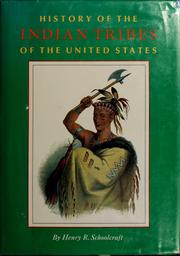

Narrative journal of travels through the northwestern regions of the United States, extending from Detroit through the great chain of American lakes to the sources of the Mississippi River, in the year 1820
The book covers journeys from Detroit to Michilimackinac, on to Sault Ste. Marie, to copper mines at Ontonagon river, through various areas in Wisconsin, to Chicago, back to Michilimackinac by boat, then back to Detroit. It contains geographical and geological notes along with observations about …
Narrative of an expedition through the upper Mississippi to Itasca Lake, the actual source of this river
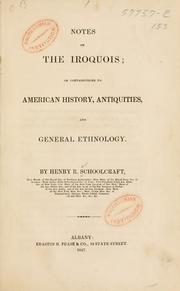
Notes on the Iroquois
A popular account, based upon material collected for the author's Report ... to the secretary of state [of New York] transmitting the census returns in relation to the Indians ... 1845. [Albany, 1846].