
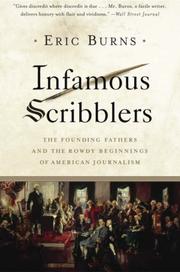
Infamous scribblers
Discusses the raucous journalism of the Revolutionary era, showing how it helped build a nation that endured and offering new perspectives on today's media wars.

Invasion of the mind snatchers
"In this book, the author, an Emmy award winning broadcaster chronicles the influence of television on the baby boomer generation. Spellbound by Howdy Doody and The Ed Sullivan Show, those children often acted out their favorite programs, purchased the merchandise promoted by performers, and were …

1920
Acclaimed author Eric Burns investigates the year of 1920, which was not only a crucial twelve-month period of its own, but one that foretold the future, foreshadowing the rest of the 20th century and the early years of the 21st, whether it was Sacco and …

All the news unfit to print
You really can't believe everything you read . . . A premature newswire report announces the end of World War I, spurring wild celebrations in American streets days before the actual treaty was signed. A St. Louis newspaper prints reviews of theatrical performances that never …

Broadcast blues
There have been memoirs by television anchorpeople before, there have been intellectual critiques of the medium, but there has never been a book like Broadcast Blues. In this smart, scathing, and very funny account of his years on the air, former NBC News correspondent Eric …

Someone to watch over me
Eleanor Roosevelt's loveless marriage with FDR was no secret, and she had a cold relationship with most of her family, as well. Yet she was a warm person, beloved by friends, and her humanitarian work still influences the world today. Burns shows how Eleanor was …

The golden lad
Explores the relationship between president Theodore Roosevelt and his youngest and favorite son Quentin, who died in an air fight during the first World War.

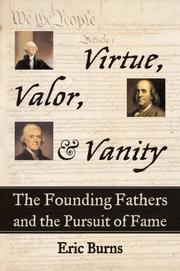
Virtue, Valor, and Vanity
Profiles of the Founding Fathers of the United States evaluate their lives, careers, and specific contributions to the U.S. Constitution, in a historical assessment that illuminates their motivations while explaining how their shared vision remains relevant.