Mushrooms
1982
48 pages
Children's
Discusses how mushrooms and other fungi get their food, grow, and produce more of their own kind.
Discusses how mushrooms and other fungi get their food, grow, and produce more of their own kind.
An introduction to the domesticated silkworm moth, raised on farms in Japan and elsewhere for the sake of the silk thread out of which its cocoons are constructed.
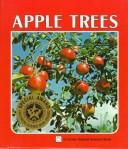
Discusses the growth and cultivation of apple trees and the development, harvesting, and storage of apples.
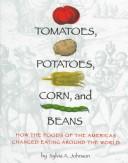
Describes many foods native to the Americas, including corn, peppers, peanuts, and chocolate, which were taken to Europe and used in new ways around the world.
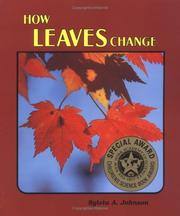
Describes the structure and purpose of leaves, the ways in which they change as part of the natural cycle of the seasons, and the process that creates their autumn colors.
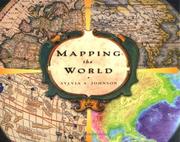
A history of mapmaking showing how maps both reflect and change people's view of the world.
Follows a beekeeper through the four seasons, showing how bees and humans work together to make honey.
Describes the characteristics and activities of the Laysan albatross which flies to Midway Island to breed. Also discusses how birds and humans have learned to live together on this small island in the Pacific Ocean.
Describes desert life and ten animals living in desert areas of the world: the kit fox, Arabian camel, caracal, gemsbok, roadrunner, onager, sidewinder, antelope jackrabbit, addax, and ringtail.
Describes the physical characteristics, habits, and natural environment of the hermit crab.
Examines the lives of morning glories and the stages of development leading to the production of their delicate flowers.
An introduction to the structure and ways of life of some of the 40,000 kinds of snails, with an emphasis on land snails.
Describes the physical characteristics, behavior, and life cycles of some insects that spend most of their lives in the water.
Describes the social interaction of wolves in a pack as they share the work of hunting, maintaining territory, and raising young.