Don Nardo is an American historian, composer, and writer. With more than five hundred and forty published books, he is one of the most prolific authors in the United States, and one of the country's foremost writers of historical works for children and teens.
From Wikipedia · CC BY-SA 4.0
353 books in our catalogue.
2015
48 pages
Children'sHistoryPolitics & Society
Enter the world of the ancient Egyptians and discover what daily life was really like. Discover what foods were popular, how children were educated, which jobs people did and much more!
2015
48 pages
Children'sPolitics & Society
Enter the world of the ancient Greeks and discover what daily life was really like. Discover what foods were popular, how children were educated, which jobs people did and much more!
1998
112 pages
Children'sHistory
Offers opposing viewpoints regarding the American Revolution, including prewar disputes, patriot versus loyalist views, wartime concerns, and debate among modern historians.
2002
112 pages
Children'sHistory
2011
Children'sHistoryPhilosophy & Religion
2012
112 pages
Children'sPhilosophy & Religion
Standalone books
1999
112 pages
Children'sHistory
Discusses the role of sports in the ancient Greek and Roman world, covering the Olympics, the glories of physical achievement, spectacle sports, horse and chariot racing, and leisure sports.
2001
128 pages
Children'sFantasy
Every culture has stories or myths explaining how the world began or why certain events happen. In Egyptian Mythology, Don Nardo discusses various myths, including "The Creation of the Gods and Humans," and "The Near Destruction of Humanity." Nardo also introduces us to the story …
1991
112 pages
Children's
1990
64 pages
Children's
Examines the Chernobyl nuclear accident in its historical, cultural, political, and human contexts.
2013
96 pages
Children'sHistoryPolitics & Society
Offers narratives and first-hand accounts that shed light on the conditions and daily lives of prisoners in Nazi concentration camps.
2000
108 pages
Children'sHistoryPolitics & Society
1991
72 pages
Children's
Examines the nature of eating disorders, their causes, warning signs, and effects, and how to deal with them.
2001
112 pages
Children's
Chronicles the rise and fall of Mesopotamian civilization, and discusses its significant cultural contributions.
1998
112 pages
Children's
Examines the historical development of Greco-Roman mythology, its heroes, and its influence on the history of Western civilization.
2002
63 pages
Children's
Discusses the history, architecture, construction, and purpose of Greek temples.
2014
96 pages
Children'sHistory
Presents a description of life in ancient Mesopotamia, covering such topics as family life, class structure, religion, technology, writing, science, and the rise of cities.
1996
128 pages
Children's
Describes the customs and day-to-day life of the inhabitants of ancient Rome.
2012
112 pages
Art & PhotographyChildren's
1994
96 pages
Children'sHistory
Traces the history of the Roman Empire from the days of the Republic through the reign of the Caesars and the influence of Christianity to the fall of Rome.
1998
96 pages
Biography & MemoirChildren'sHistory
Describes the 1431 trial of Joan of Arc, along with biographical information and facts about the political and social forces that led to her being burned at the stake as a witch.
1994
112 pages
Biography & MemoirChildren'sHistory
Examines the life and reign of the woman who ruled Egypt from 51 to 30 B.C. and discusses her relationship with two powerful Roman leaders, Julius Caesar and Mark Antony.
1998
96 pages
Children'sHistory
Discusses the history of the Assyrian Empire, including its early people, the rise of the Assyrian nation, its rebirth, the empire at its height, and the nation's collapse.
1997
144 pages
Children'sHistory
Discusses some of the causes that may have led to the end of the Roman Empire, including changes in population, economic decay, class and religious divisions, and military conquest.
2005
112 pages
Children's
History of the Minoans, an ancient civilization unknown to historians until the 1870s.
1997
112 pages
Children'sHistory
An account of the rise and fall of the Persian Empire, based in part on archaeological findings of the twentieth century.
1998
96 pages
Children's
Describes the planning and construction of the Colosseum in ancient Rome and traces its history through subsequent centuries.
1994
112 pages
Children'sHistory
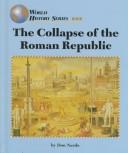
Traces the history of the Roman Republic from the founding of Rome through its wars, conquests, and expansion to the fall of the Republic.
1995
112 pages
Children'sHistory
2013
104 pages
Children'sFantasy
Explores American mythology, including lost cities, ghosts, monsters, tall tales, and pop culture.
2004
48 pages
Children's
Describes the lifestyle, religion, technology, and social customs of ancient Persia.
2003
112 pages
Children'sHistoryTravel
A historical look at ancient Athens and its people, education, weather, transportation, hotels, shopping, festivals, sporting events, banks, government, and sightseeing.
2005
112 pages
Children'sTravel
1996
96 pages
Children'sHistory
1996
112 pages
Biography & MemoirChildren'sHistory
A biography of the Roman general and statesman whose brilliant military leadership helped make Rome the center of a vast empire.
1998
111 pages
Children'sHistoryPolitics & Society
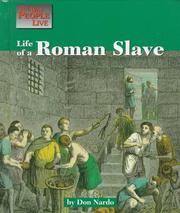
Discusses aspects of slavery in ancient Rome, including becoming a slave, its privileges and perils, the use of slaves in farming, business, and public service, and the dark side of the institution.
2003
112 pages
Children's
2004
112 pages
Children's
2002
112 pages
Biography & MemoirChildren'sPoetry & Drama
2015
80 pages
Children'sHistory
1999
128 pages
Biography & MemoirChildren'sHistory
Discusses the contributions of various rulers of ancient Rome, including Fabius, Marius, Caesar, Cicero, Augustus, Nero, Constantine, and Justinian.
1996
112 pages
Biography & MemoirChildren'sHistory
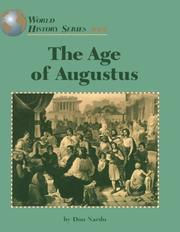
Describes the politics, culture, religion, and society of Rome during the reign of the Emperor Augustus.
1999
96 pages
Children'sPolitics & Society
Discusses the drafting, composition, symbolism, ideas, and influence of the Declaration of Independence.
1999
240 pages
Politics & Society
1999
112 pages
Biography & MemoirBusiness & EconomicsChildren's
i like
1994
48 pages
Children'sHistory
Discusses life in ancient Greece, including citizenship in the city-state, family life, physical training and athletic competitions, and religious beliefs and worship.
2004
110 pages
Biography & MemoirChildren's
A biography of the man who became the seventeenth president of the United States following the assassination of Abraham Lincoln, providing information on his childhood, education, family, political career, time as president, and legacy.
1992
111 pages
Children's
Defines anxieties and phobias and discusses their causes and treatment.
2004
112 pages
Children's
Discusses the mystery and theories surrounding Atlantis, a legendary lost continent which Plato wrote about in 399 B.C.
1994
117 pages
Children'sHistoryPolitics & Society
2013
64 pages
Art & PhotographyBiography & MemoirChildren's
Mathrew Brady recognized that the new art of photography could be more than just a means of capturing people's likenesses in portraits. Beginning with the First Battle of Bull Run in 1861 and continuing through the entire Civil War, Brady and his employees chronicled the …
2007
144 pages
Children's
Describes the geography, plants, animals, history, economy, language, sports, arts, religions, culture, and people of France.
2012
Biography & MemoirChildren's
"These books provide a historical overview of the development of different types of art and artistic movements; explore the roots and influences of the genre; discuss the pioneers of the art and consider the changes the genre has undergone"--
2003
96 pages
Biography & MemoirChildren'sPhilosophy & Religion
2009
Business & Economics
2000
112 pages
Children's
Discusses life in ancient Athens, including the growth of the city-state and its government, religious beliefs, festivals, customs, athletic games and sports, the visual arts, and the involvement of Athens in war on land and sea.
2002
63 pages
Art & PhotographyChildren's
2001
128 pages
Children'sHistory
Describes the rise to power of ancient Greece, its glorious empire, its civilization, and its eventual decline.
1998
128 pages
Business & EconomicsChildren'sHistory
Presents contrasting viewpoints about the best remedies for the economic crisis of the 1930's, the implementation of President Roosevelt's New Deal, and the historical impact of both the Depression and the New Deal.
2002
112 pages
Children's
2002
112 pages
Children'sHistory
1991
104 pages
Children's
Discusses the historical and cultural background of the Mexican-American War and its major battles.
1996
111 pages
Children's
2004
112 pages
Biography & MemoirChildren's
2003
112 pages
Children'sHistory
2002
112 pages
Children'sHistoryPolitics & Society
1991
96 pages
Children'sHistory
Examines the action in the Pacific theater of World War II, focusing on the confrontation between the United States and Japan.
2013
386 pages
HistoryYoung Adult
2020
80 pages
Politics & Society
2001
112 pages
Children'sFantasy
1996
112 pages
Children's
Discusses the debate over whether unidentified flying objects really exist and how belief in them affects our culture.
2003
128 pages
Children'sHistory
Explores the Roman Empire from its mythical founding by Romulus, through development and expansion to decline after the barbarian invasions of the fourth and fifth centuries.
2000
96 pages
Children'sHistory
2020
80 pages
Philosophy & Religion
2002
48 pages
Art & PhotographyBiography & MemoirChildren's
2008
Children'sPhilosophy & Religion
1996
95 pages
Children'sHistoryPhilosophy & Religion
Describes the daily life of pilgrims in the Middle Ages, analyzing why they went on pilgrimages and what they hoped to accomplish.
1992
111 pages
Children'sHistory
An examination of the techniques and tools used by early healers and modern physicians to uncover the signs of disease.
2015
80 pages
Children'sHistory
2011
64 pages
Art & PhotographyChildren'sHistory
"Explores and analyzes the historical context and significance of the iconic Dorothea Lange photograph"--Provided by publisher.
2011
116 pages
Biography & MemoirChildren'sScience & Nature
Books in the World History series examine the eras, events, civilizations, and movements that have shaped human history, providing readers with insight into the past and its many legacies.; ; Vivid writing, full-color photographs and extensive use of fully cited primary and secondary source quotations …
2001
96 pages
Children's
Describes the construction of roads and aqueducts in ancient Rome, life and customs along the roads, water distribution and aqueduct maintenance, and the building of bridges.
1997
96 pages
Children's
Examines various aspects of teenage sexuality, including teen pregnancy and parenthood, school health clinics, homosexuality, and sex education.
2004
112 pages
Children's
1998
128 pages
Children'sPolitics & Society
Includes an overview of the original debate over the need for a bill of rights, an exploration of some later debates about rights issues, and an appendix of original documents.
1998
112 pages
Children'sHistory
Discusses the Roman Empire's rise to greatness as well as its eventual decline and fall brought about by increasingly dramatic military, economic, and social changes.
1990
64 pages
Children'sHistory
Examines the historical, economic, scientific, and human factors involved in the great famine in Ireland in the nineteenth century.
1998
96 pages
Children's
Describes how medieval castles were built and examines the daily lives of those inhabiting them.
2013
48 pages
Children's
"Describes the struggles and accomplishments in building the Pyramids of Giza. Includes glossary, websites, and bibliography for further reading"--
1997
96 pages
Children's
Presents a biographical sketch of this fourth-century Greek philosopher before focusing on his trial and conviction and its legacy.
1991
120 pages
Children'sHistory
An account of the strategies, personalities, and results of America's second military conflict with Great Britain, the "unnecessary" and "impractical" War of 1812.
2004
112 pages
Children'sHistory
1993
110 pages
Biography & MemoirChildren'sHistory
A biography of Thomas Jefferson from his youth to his presidency, his role as a diplomat, and his enduring legacy.
2000
112 pages
Children's
2014
104 pages
Children's
1994
111 pages
Children's
2002
112 pages
Children'sHistory
2004
112 pages
Children'sHistory
2000
112 pages
Children's
2012
Art & PhotographyChildren's
"These books provide a historical overview of the development of different types of art and artistic movements; explore the roots and influences of the genre; discuss the pioneers of the art and consider the changes the genre has undergone"--
2007
112 pages
Art & PhotographyChildren's
2013
64 pages
Children'sHistory
2014
96 pages
Children'sFantasy
"This new title in the Mythology and Culture Worldwide series discusses the origins of Aztec myths and how some of these myths have been manipulated over time. The book details the major gods found within the mythology along with some of the most memorable tales, …
2011
Biography & MemoirChildren'sMystery & Thriller
2005
Children'sHistoryPhilosophy & Religion
2003
48 pages
Children's
Discusses the history of the concept of cloning and the pros and cons of cloning animals and humans.
1992
96 pages
Children's
Discusses various aspects of the debate over capital punishment, including its use as a deterrent to crime, discrimination and the death penalty, juveniles on death row, and the morality of this sentence.
2012
Children'sHistory
"Describes the history and future of human space exploration"--Provided by publisher.
2007
104 pages
Children's
2003
112 pages
Children's
1995
120 pages
Biography & MemoirChildren's
1990
96 pages
Children's
Explains the force of gravity, including theories of gravity and its effects on human life.
1995
112 pages
Children'sHistory
1992
111 pages
Children's
Explores the life of the wide-ranging British author known for his science fiction, histories, and novels and discusses his efforts to achieve social change through his books.
2001
48 pages
Children'sPolitics & Society
2014
64 pages
Children'sHistoryTravel
Discusses the iconic photograph of Nazi dictator Adolf Hitler in front of the Eiffel Tower in 1940 taken by his personal photographer Heinrich Hoffmann. World War II was in its early days when brutal German dictator Adolf Hitler paid a visit to Paris, the capital …
1993
111 pages
Children's
An examination of the importance of hygiene, problems associated with maintaining proper hygiene, and means of its effective practice.
2003
128 pages
Biography & MemoirChildren's
2014
64 pages
Children's
This book describes the historical development of drones, the use of drones by the U.S. military in 2002, the MQ-1B Predator, the MQ-9 Reaper, and today's expansion of the use of drones.
2005
Biography & MemoirChildren'sHistory
2003
96 pages
Children'sFantasyHistory
Surveys the known history of King Arthur, the legends and lore surrounding him, his treatment in literature, and the possible historical background of his associates and stories.
1999
128 pages
Biography & MemoirChildren'sPolitics & Society
2012
Biography & MemoirChildren's
1996
111 pages
Children's
Account of daily life during the golden age of Greece.
2006
104 pages
Children'sHistory
2005
112 pages
Biography & MemoirChildren'sHistory
2007
104 pages
Children's
2003
48 pages
Children'sHistory
2016
64 pages
Children'sHistory
Discusses the terrorist attack at the 1972 Olympics in Munich and the iconic photograph that captured the historic event.
1997
96 pages
Biography & MemoirChildren's
Explores the various theories surrounding the mysterious death of Mozart at the untimely age of thirty-five.
2016
47 pages
Children's
"The mythical character the ancient Greeks called Odysseus and the Romans called Ulysses is a true hero for the ages. The tale of his adventures has been retold countless times over the centuries. Yet it remains as exciting as it was when the Greek storyteller …
1991
80 pages
Children's
Discusses the nature and necessity of ozone in relation to the global environment and air pollution, and examines the greenhouse effect and ways to prevent it. Also the effects ozone depletion has on humans and other life forms on earth.
2012
Art & PhotographyHistory
2006
160 pages
Biography & MemoirChildren'sPolitics & Society
2000
160 pages
HorrorScience Fiction
1999
188 pages
Essays discuss the plot, structure, setting, wordplay, characterization, themes, stagings, and interpretations of "Hamlet."
1997
192 pages
This collection of critical essays by Chaucer scholars analyzes the themes, stories, and characters in The Canterbury tales.
2006
104 pages
Children'sHistory
2001
63 pages
Biography & MemoirChildren'sHistory
2014
63 pages
Children's
"Southeast Asian Cultures in Perspective is an in-depth look at the different regional cultures of Southeast Asia with an emphasis on current culture. The young reader is presented with an overview of a variety of regional cultures that developed historically and analyzes how the cultural …
2004
48 pages
Children'sHistoryPolitics & Society
Describes the United States during the decade of the forties, focusing on involvement in World War II, becoming a superpower, and the development of "pop" music and television.
2001
128 pages
Children's
Discusses the civilization of ancient Rome, including its founding and early centuries, its high point, social classes and institutions, aspects of daily life, its eventual decline and fall, and the enduring legacy of Rome.
1998
112 pages
Children'sHistory
Focuses on the often chaotic events and larger-than-life personalities of the fateful last republican century and discusses the power struggles which gave way to a dictatorship.
2010
Children'sHistoryPolitics & Society
2002
112 pages
Children'sHistory
2002
112 pages
Children'sHistory
2002
112 pages
Children'sHistory
1991
128 pages
Children's
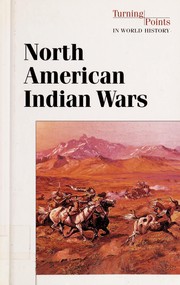
A discussion of the hostilities between European-American settlers and the native American population and their impact on both settlers and Indians.
2003
48 pages
Children's
Discusses the Renaissance period in Italian history, when ideals of creativity and democracy as practiced in ancient Greece were revived, leading to great advances in art, science, and other disciplines.
1999
96 pages
Children's
Discusses the origins, construction, completion, uses, history, and eventual ruin of the Parthenon.
1991
96 pages
Children's
An account of the war between the United Nations allies and Iraq from Saddam's military buildup to the cease-fire.
1998
224 pages
Philosophy & Religion
2006
Children'sScience Fiction
2009
Biography & MemoirChildren'sHistory
1994
128 pages
Children's
2000
108 pages
Children's
2007
112 pages
Biography & MemoirChildren's
2003
128 pages
Children's
Discusses Mary Shelley's sources of ideas for the compelling plot, well-developed characters, and universal themes of "Frankenstein" which have led to its enduring popularity.
2001
128 pages
Children's
2000
112 pages
Children'sHistoryPhilosophy & Religion
2009
Biography & MemoirChildren'sHistory
2010
Children'sHistoryPolitics & Society
2008
Art & PhotographyChildren'sHistory
2002
112 pages
Children'sTravel
2009
Biography & MemoirChildren's
2006
104 pages
Children's
2007
104 pages
Children's
2009
Children'sPhilosophy & Religion
2013
96 pages
Children'sFantasy
2010
Children'sHistoryPhilosophy & Religion
2008
128 pages
Biography & MemoirChildren's
2007
104 pages
Children's
1990
96 pages
Children's
Describes the history and development of the computer and discusses how it works and how it is used in various human activities.
1994
128 pages
Children'sPolitics & Society
Discusses the concept of democracy as it has developed in America and abroad.
2001
112 pages
Children'sFantasyTravel
2001
112 pages
Children's
2025
Philosophy & Religion
1992
111 pages
Children's
Examines exercise and its benefits and explores the subject of physical fitness.
2022
Philosophy & Religion
2022
Philosophy & Religion
2023
Philosophy & Religion
2007
48 pages
The world is filled with people, vehicles, and other objects that are constantly in motion. After studying the force of gravity in the late 1600s, English scientist Isaac Newton developed three laws of motion that described an object's inertia and friction. His third law was …
2010
Biography & MemoirChildren'sHistory
2021
64 pages
Philosophy & Religion
2001
128 pages
Children's
2000
127 pages
Children's
Discusses the geography, history, people, and culture of Greece and its significance in the world today.
2002
112 pages
Biography & MemoirChildren'sHistory
2002
112 pages
Children's
2004
112 pages
Biography & MemoirChildren'sHistory
2012
144 pages
Children's
An introduction to the geography, history, culture, and people of India.
2010
Children's
"Describes the threat of biological and chemical weapons, including their history, their use, and the methods created to end their construction"--Provided by publisher.
1994
95 pages
Biography & MemoirChildren's
1990
Explores the eruption of Krakatoa in its cultural, historical, and geographic contexts and discusses the effect on both people and environment.
2005
112 pages
Children'sHistory
2004
112 pages
Children'sHistory
2005
112 pages
Children's
2003
112 pages
Children'sHistory
2007
48 pages
Children'sPolitics & SocietyScience Fiction
2009
Biography & MemoirChildren'sPolitics & Society
2008
112 pages
Biography & MemoirChildren's
1995
128 pages
Children'sHistory
1990
96 pages
Children's
Describes how oil spills occur, how they affect the environment, and how they can be cleaned up and prevented.
2003
188 pages
HistoryPolitics & Society
2000
112 pages
Children'sHistory
2004
HistoryScience & Nature
1997
176 pages
History
Includes a brief biography of Charles Dickens, this book presents essays that provide a wide variety of information and opinion about A Tale of Two Cities.
2010
Children'sPhilosophy & Religion
1999
128 pages
Children'sHistoryScience & Nature
Discusses the life and work of the seven Greek thinkers considered to be the first true scientists of the western world. Included are Democritus, Plato, Aristotle, Theophrastus, Archimedes, Ptolemy, and Galen.
2014
96 pages
Children's
In 2011, the New York City School Department began dispensing Plan B contraception, or the morning-after pill, to high-school students, and condoms are now available in hundreds of U.S. Schools. Through objective discussion, numerous direct quotes, and full-color illustrations this title examines How Did the …
2015
48 pages
Biography & MemoirChildren'sHistory
2014
104 pages
History
Provides an overview of important historical events or periods in world history. This volume focuses on the important dates in history regarding slavery; human beings held against their will.
2004
48 pages
Business & EconomicsChildren'sHistory
Discusses the political, economic, and cultural life of the United States in the troubled 1930s, focusing on the Depression, the Golden Age of movies, and the threat of world war.
1996
112 pages
Children'sHistory
2013
110 pages
Children's
103 p. : 24 cm
2007
104 pages
Children's
1999
173 pages
Children's
1994
48 pages
Children's
Explores the many contradictory theories about what caused the dinosaurs to become extinct.
2002
323 pages
Language & Reference
2001
323 pages
Language & Reference
2003
48 pages
Children'sScience Fiction
2003
96 pages
Children'sScience Fiction
2000
112 pages
Children'sScience & Nature
2014
64 pages
Biography & MemoirChildren'sPolitics & Society
2001
48 pages
Children'sHistory
2011
104 pages
Children'sHistoryPolitics & Society
2007
104 pages
Children's
2011
104 pages
Children's
Discusses the scientific revolution in Europe that led to what we now know as modern science.
2010
Children'sHistoryScience & Nature
1995
128 pages
Children's
Examines the origins of the U.S. presidency and how it fits into the American system of government, as well as the many roles the president plays.
2011
112 pages
Children's
2011
104 pages
Politics & Society
2001
287 pages
Children's
2000
96 pages
Art & PhotographyBiography & MemoirChildren's
Traces the life and contributions of the entertainer who created animated cartoons, adventure and family films, television shows, theme parks, and Mickey Mouse.
2005
Biography & MemoirChildren'sHistory
2003
128 pages
Children'sHistory
2003
128 pages
Children'sHistory