Millicent E. Selsam
1912–1996
92 books in our catalogue.
1953
95 pages
Children's
Presents basic information on the microbes commonly found on foodstuffs--bacteria, molds, and yeast--and discusses ways man has found of discouraging the growth of undesirable microbes, and fostering the growth of those he uses. Includes simple observations and experiments.
1955
123 pages
Children's
Discusses the development of the most common food plants, and their changing uses. Includes simple directions for growing some of the plants at home.
1960
86 pages
Children's
Tells how to provide adequate growing conditions for a variety of house plants. Explains how a plant grows, describes hardy plants that grow well for beginning gardeners, and presents many kinds of miniature gardens.
Standalone books
1963
64 pages
Children's
Greg makes fascinating discoveries about things he finds at home when he looks at them through his new microscope.
1973
31 pages
Children's
(Gr. 2-5 Age 7-10) A photographic essay describing four kittens' first eight weeks of life. Look at this tiny kitten. You could hold it in one hand. It is too little to walk. But wait! It will grow.
1958
32 pages
Children'sScience & Nature
Keeping a sharp eye out for clues like animal tracks and odors can help people identify the animals that have passed through an area.
1966
63 pages
Children'sScience & Nature
Two boys, with the help of a professor at the museum, learn to divide their animal pictures into the proper groups.
1959
62 pages
Children's
A little boy experiments to see what things grow when planted, and then collects all kinds of seeds to plant everywhere he goes.
1962
64 pages
Children's
A young girl finds some caterpillars, keeps them in jars, feeds them, watches the caterpillars spin cocoons, and finally sees them emerge as moths from the cocoons.
1960
64 pages
Children's
A young boy buys two goldfish, and learns about fish food, the way fish breathe, and why plants are needed in a fish bowl.
1973
35 pages
Children's
Explains the basic things to look for when learning to observe and identify various kinds of birds.
1972
33 pages
Children's
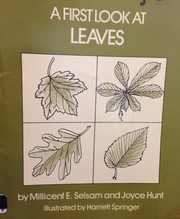
Text and drawings explore the characteristics of various leaves.
1980
40 pages
Children's
Text and photographs discuss common garden insects and their protective appearence which includes camouflage, warning colors, copycat characteristics, and scary characteristics.
1959
45 pages
Children's
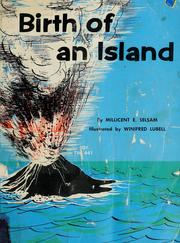
Describes the birth and development of a tropical island and its acquisition of plant and animal life.
1946
64 pages
Children's
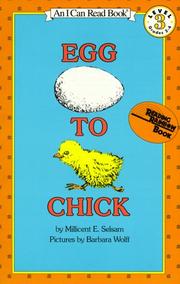
Easy-to-read science text traces the fertilization of the egg and the growth and hatching out of the chick.
1971
40 pages
Children's
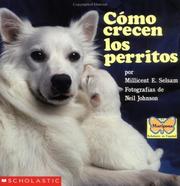
Describes the first six weeks of six puppies' lives as they nurse, sleep, learn to walk, eat solid food, and interact with other dogs.
1949
64 pages
Children's
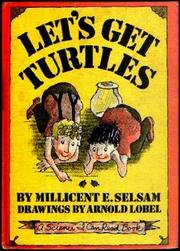
Bill and Jerry wanted pets, and turtles met all their requirements. But when each boy got his turtles home, it quickly became apparent that there were many things he did not know. For instance: how to keep the water at an even temperature, how (and …
1981
32 pages
Children's
Explains how some insects fly south for the winter and others spend the cold months under ground, under water, in unused buildings, or as eggs or pupae.
1952
55 pages
Children's
Presents the eggs of many animals and shows what kinds of babies hatch from them.
1967
74 pages
Children's
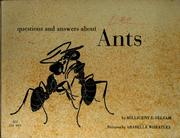
Answers questions such as: What do ants eat? How do ants find their way? Can ants learn? Explains the habits and behavior of ordinary ants and tells how to keep ants.
1961
96 pages
Children's
Instructions on collecting specimens for and maintaining a salt or fresh water aquarium. Describes the behavior of both types of specimens in captivity.
1972
32 pages
Children's
Drawings and brief text demonstrate the distinguishing physical features of several different fish.
1984
32 pages
Children's
Describes the distinguishing characteristics of various kinds of rocks.
1983
32 pages
Children's
An introduction to seashells, explaining how they are classified and describing the differences that distinguish one kind of seashell from another.
1953
58 pages
Children's
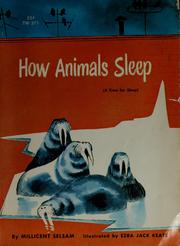
Tells and shows how many animals sleep, whether standing up or lying down, in groups or individually, and for long or short periods of time.
1972
62 pages
Children's
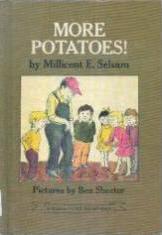
A youngster investigates the procedures involved in getting the potato from the farmer's field to the dinner table.
1961
64 pages
Children's
A young boy goes for a bird walk with his father, and soon he has learned about using the field glasses and guide book, and is watching birds by himself.
1984
31 pages
Children's
Text and drawings follow the growth cycle of twelve common flowering trees: pussywillow, white oak, sugar maple, elm, apple, horse chestnut, flowering dogwood, magnolia, witch hazel, black walnut, black locust, and tulip tree.
1976
32 pages
Children's
An introduction to the characteristics of the major groups of invertebrates.
1986
32 pages
Children's
Explains what a bird of prey is and describes some of the different kinds, through text and drawings.
1980
32 pages
Children's
An introduction in simple text and illustrations to the physical characteristics and habits of the various species of whales.
1977
143 pages
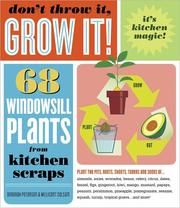
Magic and wonder hide in unexpected places — a leftover piece of ginger, a wrinkled potato left too long in its bag, a humdrum kitchen spice rack. In Don't Throw It, Grow It! Deborah Peterson reveals the hidden possibilities in everyday foods. Peterson, former president …
1968
46 pages
Children's
Photographs and simple text trace the life cycle of the maple tree.
1962
127 pages
Children's
Describes the movement of leaves, flowers, and vines, and gives directions for simple experiments in growing plants that move.
1976
48 pages
Children's
Describes the growth cycle of the type of corn used to make popcorn.
1976
32 pages
Children's
Text and illustrations introduce aquatic reptiles that swam in the oceans more than 70 million years ago.
1961
48 pages
Children's
Introduces the communities of plants and animals that live along the seashore and describes sea salts, sand, seashells, and tides.
1958
51 pages
Children's
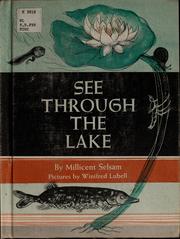
Describes the plants, both large and single-celled, insects, animals and fish that can be found at the different depths of a pond.
1989
32 pages
Children's
A beginner's guide to distinguishing between different carnivorous animals.
1990
32 pages
Children's
Examines the differences and similarities of ducks, geese, and swans.
1976
32 pages
Children's
Text and illustrations examine the characteristics of various amphibians pointing out their similarities and differences.
1988
36 pages
Children's
Compares and constrasts the physical characteristics, habits, and natural environment of seals, sea lions, and walruses.
1975
32 pages
Children's
Easy-to-read description of the reptile family which includes snakes, lizards, alligators, and crocodiles.
1983
32 pages
Children's
Explains how spiders differ from other creatures and from each other.
1971
33 pages
Children'sScience & Nature
Photographs and brief text examine the characteristics of a variety of animals and plants and other objects in nature.
1986
48 pages
Children's
Discusses the history, structure, and types of mushrooms and describes how one variety is grown.
1979
40 pages
Children's
Describes night-time activities of owls, luna moths, foxes, fireflies, weasels, beavers, bats, flying squirrels, and other nocturnal animals.
1950
64 pages
Children's
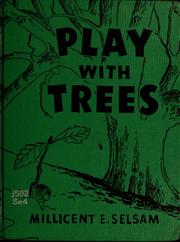
Tells where to find seeds of trees and how to grow them, and explains the pipelines in trees, how trees grow, how they differ from each other, and tree flowers. Includes simple observations and experiments.
1951
63 pages
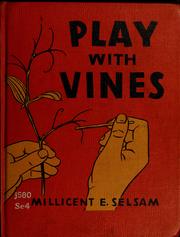
Explains how plants cling and climb. Describes leaf, tendril, and root climbers, twining plants, and weavers, and tells how to perform easy experiments to test their growth.
1971
51 pages
Children's
Describes the growth, fertilization, and harvesting of various root vegetables: carrots, radishes, turnips, beets, and sweet potatoes.
1969
71 pages
Children's
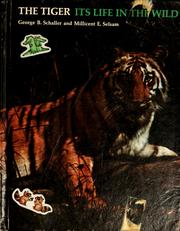
Describes the characteristics, habits, and behavior of tigers, including sections on food, family life, communication, and myths.
1966
64 pages
Children'sScience & Nature
Follows the growth of a duck, bird, gorilla, and lamb from helpless, weak new-born creatures to the age of independence.
1989
32 pages
Children's
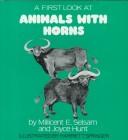
Introduces the horned animals, such as buffalo, sheep, cow, goat, and antelope.
1985
32 pages
Children's
Describes the Kangaroo and other pouched animals and discusses why most of them are isolated in Australia.
1979
32 pages
Children's
Introduces the characteristics of apes and New World and Old World monkeys.
1987
32 pages
Children's
Describes the physical characteristics and habitat of several different poisonous snakes and their benefits to man.
1977
32 pages
Children's
Introduces the physical characteristics, habits, and natural environment of sharks.
1978
32 pages
Children's
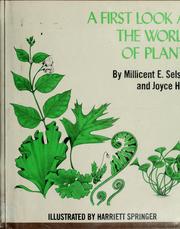
Defines plants, examines their distinguishing characteristics, and introduces scientific classification.
1951
39 pages
Some babies don't look like their parents when they are born, but most do. Some are so small it seems incredible they will grow as large as their mother and father.
1992
Children's
Simple text discusses how different kinds of animals live in different places and reproduce their own kind.
1967
62 pages
Children's
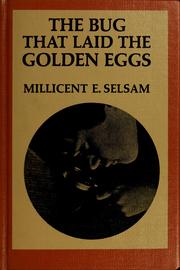
When a group of children find some golden eggs on a leaf in the cricket cage, they and an older friend set out to find which bug laid the eggs.
1989
32 pages
Children's
As the reader turns the page, a new animal is added to an illustration of a country home in the winter.
1977
55 pages
Children'sScience & Nature
Describes two theories of the geological formation of the Galápagos Islands and explains the arrival and evolution of plant and animal life found there.
1957
93 pages
Children's
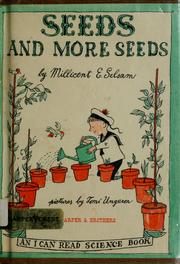
Describes plants which preceded seed-bearing plants; examines the parts of a flower and its growth from seed to fruit to flower and to seed again; tells of the many ways seeds are distributed; explains the uses of seeds; and suggests several experiments that demonstrate what …
1977
46 pages
Children's
Discusses the life cycle of the dandelion, an extremely hardy plant with often overlooked nutritional value.
1973
48 pages
Children's
Text and photographs explain the development from seed to maturity of the apple as well as the pear, cherry, peach, plum, and orange.
1970
47 pages
Children's
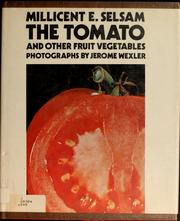
Photographs and brief text explain how a tomato plant sprouts, is fertilized, and produces fruit. Compares this cycle to that of all other fruit vegetables including the eggplant and cucumber.
1977
47 pages
Children's
Explains the effects of gravity on human beings, satellites, the sun, moon, and planets.
1972
47 pages
Children's
Explains the cultivation and growth of twelve vegetables including onions, asparagus, cabbage, and lettuce.
1979
32 pages
Children's
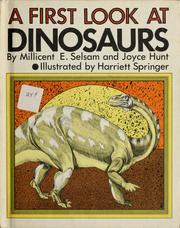
Introduces the groups into which scientists divide the more than 1000 kinds of dinosaurs, such as lizard-hipped, bird-hipped, plated, and armored.
1978
32 pages
Children's
An introduction to the characteristics of the major groups of vertebrates: fish, amphibians, reptiles, birds, and mammals.
1981
32 pages
Children's
A brief introduction to the various members of the dog family, including the wolf, the fox, and the domesticated breeds.
1961
47 pages
Children'sHistoryScience & Nature
Tells of the almost five-year voyage of the Beagle and of some of the animal and plant life observed by the young naturalist, Charles Darwin, which led him to develop his revolutionary theories.
1983
47 pages
Children's
Text and photographs describe the physical structure, uses, effects, cultivation, and history of catnip.
1982
48 pages
Children's
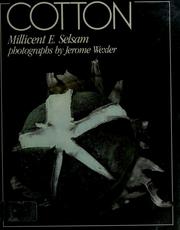
Surveys the history, growth cycle, processing, and varied uses of one of the world's most important fiber plants.
1947
63 pages
Children'sScience & Nature
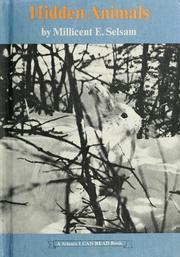
Explains how the ability of certain animals to blend with or take on the characteristics of their environment protects them from their natural enemies.
1963
95 pages
Children's
Discusses various social relationships among animals, covering those between the same kind of animals, such as birds which migrate together, pecking orders in birds, or mammal families; and also including briefly relationships between different species.
1967
94 pages
Children's
Explains the built-in timing device animals have which determines their activities and pattern of life.
1967
48 pages
Children'sScience & Nature
Shows the milkweed as a beautiful weed.
1969
46 pages
Simple text and photographs describe how a peanut plant grows and is harvested and the many ways it is used.
1949
62 pages
Children'sScience & Nature
Directions for growing plants from roots, stems, leaves, and seeds of common potatoes, beans, and house plants. Tells how a seed grows and presents simple gardening experiments.
1962
131 pages
Children's
In the years from 1768 to 1779 James Cook sailed in three great voyages around the world. The story of these voyages is the story of the greatest single quest any man ever made to explore uncharted waters and to discover real lands in place …
1955
48 pages
Children's
A presentation of the animal life in the ocean examining briefly the different kinds of creatures that live at each depth, from the beach's edge to the deepest waters.
1987
31 pages
Children's
Introduces some animals that lived long ago, such as the giant sloth, camelus, huge roaches, and uintatherium.
1975
48 pages
Children's
Briefly describes the life cycle of the harlequin moth. Includes brief information on other members of the moth family.
1962
96 pages
Children's
Discusses the signals of sound, smell, or sight, made by fish, amphibians, birds, mammals, and insects when they communicate with others of their species.
1978
40 pages
Children's
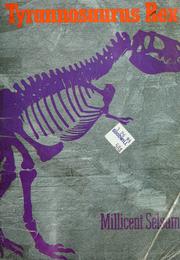
Describes efforts to reconstruct a Tyrannosaurus rex skeleton from fossilized bones found in Montana in 1901 and discusses resulting deductions about the creature's way of life.