Snails of land and sea
1976
143 pages
Children's
Describes the evolution and anatomy of different types of land and sea snails and explains how they are beneficial and harmful to man.
Describes the evolution and anatomy of different types of land and sea snails and explains how they are beneficial and harmful to man.
Text and illustrations describe the physical characteristics and life cycle of dragonflies, one of the oldest species of insects.
Discusses the history and mythology of the snake, its evolution and anatomy, the habits and characteristics of a variety of the world's snakes, and how to keep snakes as pets.
Explains how feathers evolved, how they develop, how they differ from each other, and how their varied colors and patterns are produced.
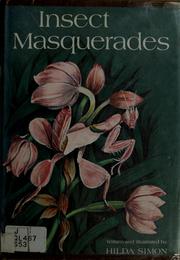
Surveys the many techniques and devices used by insects to trap prey or escape their enemies through camouflage or trickery.
Briefly defines color and explains how colors are perceived.
Text and illustrations introduce the bird and flower emblems of all fifty of the United States.
Describes the physical characteristics and habits of a variety of animals that produce their own light.
Introduces the butterfly family, their methods of camouflage and mimicry, and their reproduction and maturation cycles.
Describes the physical characteristics, habits, natural environment, and ecological role of such insects as dragonflies, ladybirds, and wasps.
Describes associations made between different animal species for temporary gain or convenience as well as more permanent alliances formed for mutual survival.
Discusses the importance of the sense of sight, the difference between sensitivity to light and the actual formation of images, and the various sight organs found in animals.
Describes the history, importance, and biology of the date palm and notes the requirements for its successful cultivation.
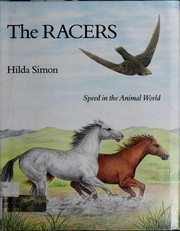
Briefly discusses the mechanics of animal speed and the characteristics of 14 of the fastest creatures on land, sea, and in the air, including the dragonfly, marlin, and jackrabbit.