Heat
1992
29 pages
Children's
Briefly describes how heat is produced, conducted, used, and measured.
Briefly describes how heat is produced, conducted, used, and measured.
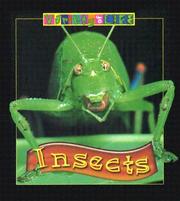
A simple introduction to the physical characteristics and life cycle of insects.
Examines different types of mollusks, including snails, slugs, limpets, and squids.
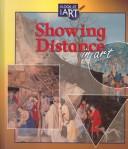
Explores how artists create the feeling of distance in their paintings.
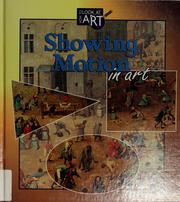
Explores how artists create the feeling of motion in their paintings.
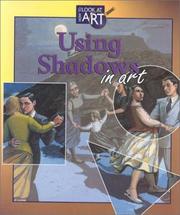
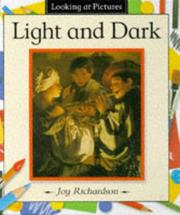
Discusses how artists have used light and shadow for strong visual and emotional effects in their paintings. Suggests ways to experiment with and paint light.
A children's guide to the collection of the National Gallery, London.
Considers how light changes the way we see things, through looking closely at how artists have captured the dramatic effects of light and darkness in their paintings. Suggested level: primary.
Explores how artists create the feeling of distance in their paintings by using size, perspective, colour and detail. Includes activities. Suggested level: primary.
Looks at the face as a subject of art, and how artists have used various elements such as shapes, shading, expressions, and light to make the features come to life . Suggested level: primary.
Describes what happens to our bodies when we sleep and explains why we need this rest.
Describes how the brain works and how this complex and powerful organ interacts with other parts of the body to receive and transmit messages.