A Dictionary of Architecture and Landscape Architecture
2006
936 pages
Art & PhotographyLanguage & Reference
"Professor Curl demonstrates that in fact death has inspired some of the noblest monumental buildings ever conceived in the West, and his text is judiciously fashioned to this end." "Death and Architecture will interest many people, and it is not aimed at a specialist market. …
James Stevens Curl tells the story of the advent of architectural modernism in the aftermath of the First World War, its protagonists, and its astonishing, almost global acceptance after 1945. He argues forcefully that the triumph of architectural modernism in the second half of the …
"By means of a collection of illustrations and authorative text, Professor James Stevens Curl brings to life the great architectural achievements of the Victorians. They responded to unprecedented challenges and opportunities and met these with confident, colourful, rumbustiously eclectic architecture." "Professor Curl deals with the …
Contains more than 5,000 entries that profile architecture and its history from ancient times to the present day.
"This well-illustrated book describes the fundamental principles and various aspects of Classical architecture, including a detailed, illustrated glossary that is almost a dictionary of Classical architecture in itself. Professor James Stevens Curl discusses in clear, straightforward language the origins of Classical architecture in Greek and …
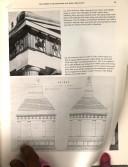
Containing over 500 entries, this text explains clearly the main architectural terms and styles with the help of line drawings. Concise biographies from all periods outline major architects and their most notable works.
This study analyzes the influences of ancient Egypt on the art, architecture and design of Europe, from the widespread adoption of Egyptian deities and motifs in the Greco-Roman world to the Egyptian revival associated with the movement known as "Art Deco."