Modern Perspectives in Energy


Standalone books
Energy in world history
Every human activity entails the conversion of energy. Changes in the fundamental sources of energy, and in the use of energy sources, are a basic dimension of the evolution of society. Our appreciation of the significance of these processes is essential to a fuller understanding …


Energy myths and realities
MYTH: New energy sources and technical innovations will eliminate the need for fossil fuels within a few decades. REALITY: Comprehensive energy transitions take several generations. MYTH: Carbon sequestration (that is, capturing CO2 emissions from the atmosphere and storing it) is the solution to global climate …
Energy
According to Einstein's famous equation, E=mĉ2, all matter can be converted to energy. It is everywhere and everything. In this valuable introduction, renowned expert Vaclav Smil explains its pivotal role in the evolution of both our planet and modern society. Starting with an explanation of …
Should we eat meat?
"Meat eating is often a contentious subject, whether considering the technical, ethical, environmental, political, or health-related aspects of production and consumption. This book is a wide-ranging and interdisciplinary examination and critique of meat consumption by humans, throughout their evolution and around the world. Setting the …

Made in the USA
"In Made in the USA, Vaclav Smil powerfully rebuts the notion that manufacturing is a relic of predigital history and that the loss of American manufacturing is a desirable evolutionary step toward a pure service economy. Smil argues that no advanced economy can prosper without …

Oil
Without oil, there would be no globalization, no plastic, little transport, and a worldwide political landscape that few would recognize. It is the lifeblood of the modern world, and humanity's dependence upon it looks set to continue for decades to come. In this topical book, …
Feeding the World
"This book differs from other books on the world food situation in its consideration of the complete food cycle, from agriculture to post-harvest losses and processing to eating and discarding. Taking a scientific approach, Smil espouses neither the catastrophic view that widespread starvation is imminent …


Harvesting The Biosphere What We Have Taken From Nature
"The biosphere -- the Earth's thin layer of life -- dates from nearly four billion years ago, when the first simple organisms appeared. Many species have exerted enormous influence on the biosphere's character and productivity, but none has transformed the Earth in so many ways …

Energies
"Energy is the only universal currency. One of its many forms must be transformed into another in order for stars to shine, planets to rotate, living things to grow, and civilizations to evolve." "In this book, ecologist Vaclav Smil takes the principle of universality seriously, …

Creating the Twentieth Century
The period between 1867 and 1914 remains the greatest watershed in human history since the emergence of settled agricultural societies: the time when an expansive civilization based on synergy of fuels, science, and technical innovation was born. At its beginnings in the 1870s were dynamite,the …
Energy transitions
Contrary to common impression, global energy use in the 19th century was dominated by wood, not coal; and in the 20th century by coal, not oil. Not until 1964 did oil overtake coal as the world's prime mover. Even today, coal provides the world more …

Prime movers of globalization
""In Prime Movers, Smil's passion for the Cinderellas of civilization focuses on the diesel engines and gas turbines that power ocean vessels and wide-body jets. These engines have made ocean shipping and intercontinental air travel so cheap that they have changed the face of our …


Why America is not a new Rome
"America's post-Cold War strategic dominance and its pre-recession affluence inspired pundits to make celebratory comparisons to ancient Rome at its most powerful. Now, with America no longer perceived as invulnerable, engaged in protracted fighting in Iraq and Afghanistan, and suffering the worst economic downturn since …




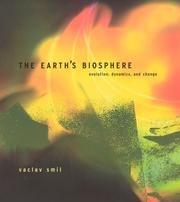
The Earth's Biosphere
"In his latest book, Vaclav Smil tells the story of the Earth's biosphere from its origins to its long-term future. He explains the workings of its parts and what is known about their interactions. He examines the biosphere's physics, chemistry, biology, geology, oceanography, energy, climatology, …



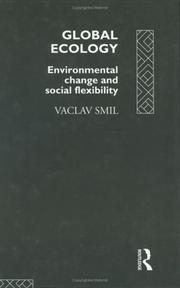
Global ecology
Analyzing both social and environmental needs, this explores the problems associated with global management in the transition to a sustainable society and furthers our understanding of biospheric change.
