Theodore Dwight Weld
1803–1895
Theodore Dwight Weld was one of the architects of the American abolitionist movement during its formative years from 1830 to 1844, playing a role as writer, editor, speaker, and organizer. He is best known for his co-authorship of the authoritative compendium American Slavery as It Is: Testimony of a Thousand Witnesses, published in 1839. Harriet Beecher Stowe partly based Uncle Tom’s Cabin on Weld's text; the latter is regarded as second only to the former in its influence on the antislavery movement.
From Wikipedia · CC BY-SA 4.0
4 books in our catalogue.
2000
359 pages
HistoryPolitics & Society
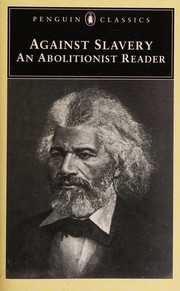
Assembles more than forty speeches, lectures, and essays critical to the abolitionist crusade. Features William Lloyd Garrison, Frederick Douglass, Lydia Maria Child, Wendell Phillips, Harriet Beecher Stowe, and Ralph Waldo Emerson. "An invaluable resource to students, scholars, and general readers alike."—Amazon.com.
American Anti-Slavery Society,
American Society,
Miscellaneous Pamphlet Collection (Library of Congress),
Seth Sweetser,
Theodore D. Weld,
Theodore Dwight Weld,
Theodore Dwight Weld, Angelina Grimke Weld, Sarah Grimke,
Weld,
Weld, Theodore Dwight; Katz, William Loren (preface and editor)
1839
224 pages
Politics & Society
1841
280 pages
Book digitized by Google from the library of the New York Public Library and uploaded to the Internet Archive by user tpb.