28 books in our catalogue.
1977
147 pages
Psychology & Self-Help
Explores various forms of mind control including brainwashing, electric shock therapy, behavior modification, biofeedback, and meditation.
1978
142 pages
Children'sLanguage & ReferencePsychology & Self-Help
Discusses the problem of teenage suicide, some theories about causes and patterns of suicidal behavior, society's responses to suicide, and some preventive measures.
2002
112 pages
Children's
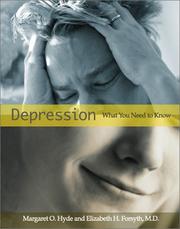
Discusses the causes and symptoms of depression, who suffers from this condition, and how it can be treated.
1968
155 pages
Children's
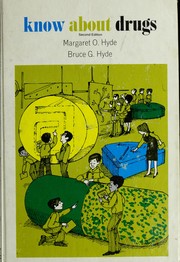
Leading authorities on drugs discuss the use, abuse, and the effects of marijuana, alcohol, LSD, heroin, cocaine, PCP, and other drugs and the alternatives to drug use.
1980
107 pages
Children'sHistory
Discusses child abuse, its history in England and America, ways to prevent and stop it, and how to report suspected cases.
1987
85 pages
Children'sHorror
1985
104 pages
Children's
Discusses missing children including those who run away or are abducted by strangers or parents and outlines ways to prevent and cope with this increasing problem.
1981
126 pages
Children's
Describes artificial intelligence, which is that branch of computer science devoted to programming computers to carry out tasks that would require intelligence if they were performed by humans.
1988
115 pages
Children's
Presents information on the consequences of teen sex, AIDS, other sexually transmitted diseases, pregnancy, and the role of the media in forming attitudes about sex.
1982
90 pages
Children's
Examines the foster home care system which enables children from troubled families to be placed temporarily in other authorized homes. Includes a brief discussion of adoption.
1995
104 pages
Children's
1997
147 pages
Children's
Discusses the causes, symptoms, effects, and treatment of a variety of diseases and disorders arranged under such categories as "Disorders of the Lungs," "Mental Illness," and "Disorders of the Digestive System."
1978
150 pages
Defines addiction; distinguishes between negative and positive addictions; and discusses addiction to gambling, smoking, drugs, food, caffeine, jogging, and other activities.
1986
116 pages
Children's
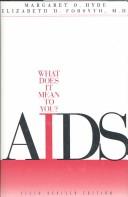
Explores the nature of AIDS, its causes, ways of spreading, and effects on the lives of its victims, and discusses how misunderstanding of the disease may complicate the situation as it continues to spread.
1971
70 pages
Children's
Describes various stimulants, hallucinogens, and barbiturates and their effects on the body.
1996
131 pages
Children's
Discusses many aspects of mental illness, including types, causes, cures, and misconceptions.
1990
112 pages
Children's
Presents ethical and moral dilemmas relating to animal research, gene therapy, transplants, AIDS, mercy killing, and other controversial medical areas.
1956
160 pages
Business & EconomicsChildren's
1998
112 pages
Children'sTrue Crime
Discusses missing and abducted children, abused children, and murder victims, and outlines ways to prevent and cope with these increasing problems.
2005
102 pages
Children'sYoung Adult
2006
115 pages
Children's
1984
100 pages
Children's
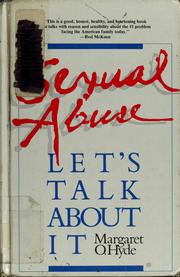
Discusses the sexual abuse of children, how they can protect themselves, where they can seek help, the kinds of help available, and how to increase public awareness of this problem.
2007
124 pages
Psychology & Self-Help
1997
96 pages
Children's
Covers the history of sexual abuse of children, effects on children, profiles of abusers, controversies surrounding the internet, Megan's law, and repressed and false memories.
1991
125 pages
Discusses the biological roots of violence, how it can reflect a troubled mind, and how such mental problems can be prevented or treated.
1983
57 pages
Children's
Discusses the types of sexually transmitted diseases and the means of preventing the spread of these diseases and their complications.
1970
141 pages
Children's
Discusses the composition, functions, and care of the body's largest and most versatile organ.