Tail twisters
1973
43 pages
Poetry & Drama
Describes in rhyme the functions of various animal tails.
Describes in rhyme the functions of various animal tails.
A sunflower planted by Farmer Jones flourishes throughout the summer and becomes food for the birds during the winter.
Rhyming text and illustrations describe the approach of autumn.
Relates in verse how a variety of common plants are related to each other.
A collection of short poems about baby animals includes "Penguin Chick," "Baby Monkey," and "Alligator Children."
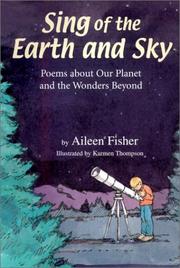
Fifty-six brief poems comment on various aspects of nature.
Poems about insects, animals, birds, plants and flowers, and the seasons.
Presents the background and significance of the Christian celebration of Easter.
Twelve-year-old Peter goes to live with his Quaker uncle whose farm on the bank of the Ohio River gives him a view of the steamboats he loves and a role in the underground railroad.
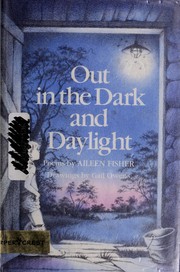
Sixty-three poems recording adventures, joys, and frustrations of childhood.
The story of Louisa May Alcott's family written as her mother might have viewed their frugal but exciting existence in eighteenth century New England.
Recounts in verse the animals seen while looking for a badger.
Describes the lives of nine animals on a summer day in the mountains as, predator or prey, they seek safety and security for themselves and their young. Traces the activities of the snowshoe rabbit, dusky grouse, porcupine, marmot, coyote, pack rat, water ouzel, mule deer, …
The author selects some of the most requested poems from her own work, grouped under such headings as "Think About People," "Suddenly," and "Whoever Planned the World."
Tells the story of the Resurrection and describes old customs of spring welcome which are incorporated in the celebration of Easter.
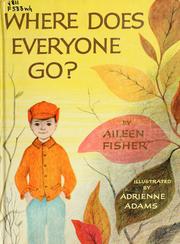
A little boy, who yearns for the weather to be warm enough so he can go barefoot, thinks about all the animals that go barefoot all year 'round.
A collection of poems celebrating all the small things that make up every day.
The life of a masked shrew in a mountain valley in Colorado, from the end of the summer she became full grown until her death a year later.
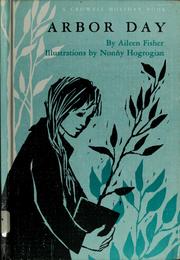
Describes how and why J. Sterling Morton established Arbor Day in Nebraska and briefly tells about its celebration across the United States.
A collection of religious and humorous one-act plays, choral readings, poems, games, and songs for young people through senior high school age.
Knowing a bath will be waiting when they get home, three children get lost in the woods. They encounter a slightly deaf old lady who shows them that many animals stay cleaner than they do.
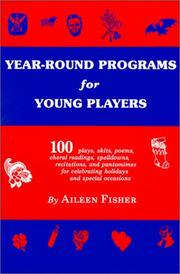
A collection of plays, poems, skits, and group readings for holidays and special occasions during the school year.
A collection of poems about mice, what they eat, where they live, and how they look.
Young readers select their favorite poems of Aileen Fisher, winner of the National Council of Teaches of English Award for poetry for children.
The life of the peasant girl who led the French army to victory against the English in the fifteenth century.
Twenty-four short poems about cats and kittens.
A boy searches for a singing mouse and makes a promise to the white-footed mouse he captures that if the animal sings it will be freed.
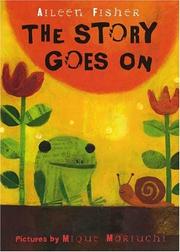
An illustrated poem about the cycle of life--bug eats plant, frog eats bug, snake eats frog, hawk eats snake, and so on.
A collection of poems about different types of bugs including spiders, dragonflies, ladybugs, and many others.
A collection of plays, recitations, poems, and other material which can be performed at holidays and special occasions throughout the year.
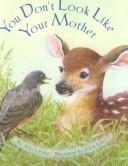
Recounts in verse a robin's introduction to a number of animal infants who don't look like their mothers, including her own.