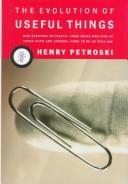
Small Things Considered
- Pages
- 304
- 2 editions
- First published
- 2003
- 1 language
Join or log in to shelve and rate Free, no password.
Overview
The ultimate context of design is, of course, the human user. Many designed things are "one size fits all," and so if they fit anyone perfectly, it is a statistical coincidence. This being so, all the rest of us must make do. Sometimes we can shop around and try a different brand or model of a designed object, hoping to find the one that seems to have been made for us. Most likely, we never find such a thing, and so we compromise in our choice, selecting a less attractive chair because it is more comfortable or picking an uncomfortable chair because it looks more striking in our living room. We learn to live in a world of imperfect things, just as we do in a world of imperfect fellow human beings. If we cannot find a pair of shoes that is a perfect fit for us, and if we cannot or do not wish to spend the money to have our shoes custom-made, then we choose a pair whose looks and fit are as close to what we want as we can find. We think, therefore we design. Indeed, there is barely anything that we do, much less use, that does not have a design component to it. - p. 15.
Ratings & reviews
Log in to rate or review this book.
No written reviews yet.
Discussions
Talk about this book with other readers.
Log in to start a discussion.
No discussions yet.
Editions


Details & links
- First published
- 2003
- Pages
- 304
- Languages
- Available in 1 language
Where to buy this book: see “Buy this book”
More about this book
Read a sample, borrow it or see other editions → openlibrary.org