Art & PhotographyPolitics & Society
Naked city
- Pages
- 294
- 7 editions
- First published
- 2009
- 1 language
Join or log in to shelve and rate Free, no password.
Overview
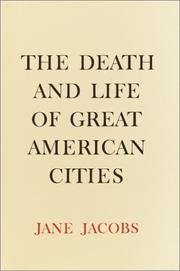
As cities have gentrified, educated urbanites have come to prize what they regard as "authentic" urban life: aging buildings, art galleries, small boutiques, upscale food markets, neighborhood old-timers, funky ethnic restaurants, and old, family-owned shops. These signify a place's authenticity, in contrast to the bland standardization of the suburbs and exurbs. But as Sharon Zukin shows in Naked City, the rapid and pervasive demand for authenticity--evident in escalating real estate prices, expensive stores, and closely monitored urban streetscapes--has helped drive out the very people who first lent a neighborhood its authentic aura: immigrants, the working class, and artists. Zukin traces this economic and social evolution in six archetypal New York areas--Williamsburg, Harlem, the East Village, Union Square, Red Hook, and the city's community gardens--and travels to both the city's first IKEA store and the World Trade Center site. She shows that for followers of Jane Jacobs, this transformation is a perversion of what was supposed to happen. Indeed, Naked City is a sobering update of Jacobs' legendary 1962 book, The Death and Life of Great American Cities.
Ratings & reviews
Log in to rate or review this book.
No written reviews yet.
Discussions
Talk about this book with other readers.
Log in to start a discussion.
No discussions yet.
Editions


Details & links
- First published
- 2009
- Pages
- 294
- Languages
- Available in 1 language
Where to buy this book: see “Buy this book”
More about this book
Read a sample, borrow it or see other editions → openlibrary.org