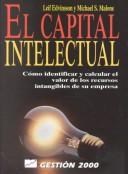
Intellectual capital
- Pages
- 225
- 2 editions
- First published
- 1997
- 1 language
Join or log in to shelve and rate Free, no password.
Overview
One of the greatest challenges facing any business today is the gap between its balance sheet and its market valuation. This gap, representing the bulk of a company's true value, consists of indirect assets - organizational knowledge, customer satisfaction, product innovation, employee morale, patents, and trademarks - that never appear in its financial reports. Only in the last few years have companies and academics around the world tackled the challenge of measuring.
This "Intellectual Capital." And no company has taken IC measurement as far as the Swedish financial services company Skandia, which in 1995 published the world's first IC annual report. The executive who led the team, the first-ever director of Intellectual Capital, was Leif Edvinsson. Now Edvinsson has teamed up with noted business author Michael S. Malone to write the first book that explains the workings of IC measurement and its usefulness to the modern corporation.
Intellectual Capital is also the first book ever to present a universal IC measurement and reporting system. And that's only the beginning. The authors also show how IC measurement can be used in any organization, including government agencies and non-profit institutions; they present a simple new measure as a yardstick to compare the IC value and efficiency of different organizations; and finally, they propose a new kind of IC "stock market" exchange.
Ratings & reviews
Log in to rate or review this book.
No written reviews yet.
Discussions
Talk about this book with other readers.
Log in to start a discussion.
No discussions yet.
Editions

Details & links
- First published
- 1997
- Pages
- 225
- Languages
- Available in 1 language
Where to buy this book: see “Buy this book”
More about this book
Read a sample, borrow it or see other editions → openlibrary.org