Art & PhotographyHistoryPhilosophy & Religion
History Of Beauty
- Pages
- 438
- 4 editions
- First published
- 2004
- 1 language
Join or log in to shelve and rate Free, no password.
Overview
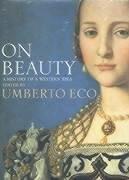
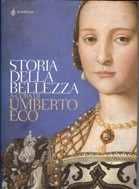
From the Publisher: What is beauty? What is art? What is taste and fashion? Is beauty something to be observed coolly and rationally or is it something dangerously involving? So begins Umberto Eco's intriguing journey into the aesthetics of beauty, in which he explores the ever-changing concept of the beautiful from the ancient Greeks to today. While closely examining the development of the visual arts and drawing on works of literature from each era, Eco broadens his enquiries to consider a range of concepts, including the idea of love, the unattainable woman, natural inspiration versus numeric formulas, and the continuing importance of ugliness, cruelty, and even the demonic. Professor Eco takes us from classical antiquity to the present day, dispelling many preconceptions along the way and concluding that the relevance of his research is urgent because we live in an age of great reverence for beauty, "an orgy of tolerance, the total syncretism and the absolute and unstoppable polytheism of Beauty." In this, his first illustrated book, Professor Eco offers a layered approach that includes a running narrative, abundant examples of painting and sculpture, and excerpts from writers and philosophers of each age, plus comparative tables. A true road map to the idea of beauty for any reader who wishes to journey into this wonderful realm with Eco's nimble mind as guide.
Ratings & reviews
Log in to rate or review this book.
No written reviews yet.
Discussions
Talk about this book with other readers.
Log in to start a discussion.
No discussions yet.
Editions
-
Format not known Rizzoli International Publications, Incorporated 2010 438 pages English ISBN 9780847835300 Open Library


Details & links
- First published
- 2004
- Pages
- 438
- Languages
- Available in 1 language
Where to buy this book: see “Buy this book”
More about this book
Read a sample, borrow it or see other editions → openlibrary.org