Do Humankind's Best Days Lie Ahead?
- Pages
- 120
- 2 editions
- First published
- 2016
- 1 language
Join or log in to shelve and rate Free, no password.
Overview
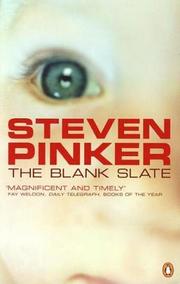
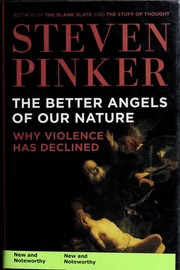
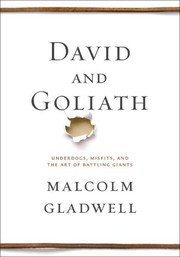
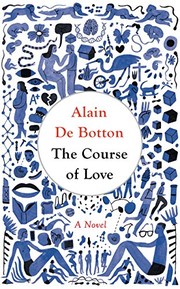
Is humanity approaching a Golden Age, driven by technology and ever-closer global networks? Or is the notion of progress an illusion born in the West? From the Enlightenment onwards, the West has had an enduring belief that through the evolution of institutions, innovations, and ideas, the human condition is improving. This process is supposedly accelerating as new technologies, individual freedoms, and the spread of global norms empower individuals and societies around the world. But is progress inevitable? Its critics argue that human civilization has become different, not better, over the last two and a half centuries. What is seen as a breakthrough or innovation in one period becomes a setback or limitation in another. In short, progress is an ideology not a fact; a way of thinking about the world as opposed to a description of reality. So is the cup half full or half empty? As part of the Munk Debates series, held in Toronto biannually, pioneering cognitive scientist Steven Pinker and bestselling author Matt Ridley squared off against noted philosopher Alain de Botton and bestselling author Malcolm Gladwell, giving us an entertaining and thought-provoking face-off between four of the world's most renowned thinkers --Publisher's description.
Ratings & reviews
Log in to rate or review this book.
No written reviews yet.
Discussions
Talk about this book with other readers.
Log in to start a discussion.
No discussions yet.
Editions


Details & links
- First published
- 2016
- Pages
- 120
- Languages
- Available in 1 language
Where to buy this book: see “Buy this book”
More about this book
Read a sample, borrow it or see other editions → openlibrary.org