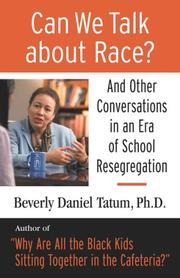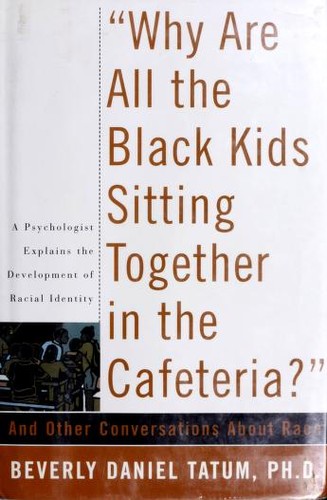
"Why are all the Black kids sitting together in the cafeteria?" and other conversations about race
- Pages
- 320
- 13 editions
- First published
- 1970
- 1 language
Join or log in to shelve and rate Free, no password.
Overview
There is a moment when every child leaves color-blindness behind & enters the world of race consciousness. At that moment, there are two roads parents, educators, & therapists can take: they can follow the status quo, internalizing racial expectations, & become-consciously or unconsciously-part of the problem. Or, they can question stereotypes, &, actively work against racism to become part of the solution. This book provides the tools we all need to become part of the solution. Beginning with racial segregation in an integrated school situation, this book explores race relations & the development of racial identity from many different viewpoints.
Walk into any racially mixed high school and you will see black youth seated together in the cafeteria. Of course, it's not just the black kids sitting together-the white, Latino, Asian Pacific, and, in some regions, American Indian youth are clustered in their own groups, too. The same phenomenon can be observed in college dining halls, faculty lounges, and corporate cafeterias. What is going on here? Is this self-segregation a problem we should try to fix, or a coping strategy we should support? How can we get past our reluctance to talk about racial issues to even discuss it? And what about all the other questions we and our children have about race? Beverly Daniel Tatum, a renowned authority on the psychology of racism, asserts that we do not know how to talk about our racial differences: Whites are afraid of using the wrong words and being perceived as "racist" while parents of color are afraid of exposing their children to painful racial realities too soon. Using real-life examples and the latest research, Tatum presents strong evidence that straight talk about our racial identities-whatever they may be-is essential if we are serious about facilitating communication across racial and ethnic divides. We have waited far too long to begin our conversations about race. This remarkable book, infused with great wisdom and humanity, has already helped hundreds of thousands of readers figure out where to start. -- Publisher.
Ratings & reviews
Log in to rate or review this book.
No written reviews yet.
Discussions
Talk about this book with other readers.
Log in to start a discussion.
No discussions yet.
Editions


Details & links
- First published
- 1970
- Pages
- 320
- Languages
- Available in 1 language
Where to buy this book: see “Buy this book”
More about this book
Read a sample, borrow it or see other editions → openlibrary.org