Philosophy & ReligionPsychology & Self-Help
God and soul care
- Pages
- 721
- 1 edition
- First published
- 2017
- 1 language
Join or log in to shelve and rate Free, no password.
Overview
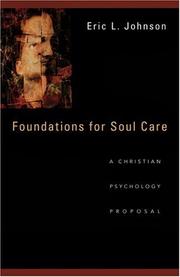
Christianity, at its heart, is a therapeutic faith -- a theocentric form of soul care. God's therapeutic agenda begins in the perfect triune communion of Father, Son, and Holy Spirit who created human beings to flourish by participating in his glory. But they are now alienated from God and subject to different forms of psychopathology -- sin, suffering, and biopsychosocial damage. So God intervened in Jesus Christ to manifest even greater glory. Through union with his incarnation, life, death, resurrection, and exaltation, Jesus has overcome the soul-disordering consequences of sin and now is bringing about a new creation by the Holy Spirit and faith. The church as the body of Christ is where God's therapy is put into action where people can learn to flourish in communion with God and each other as God originally intended. Told in this way, the deep connection between Christianity and psychology becomes evident. In God and Soul Care -- a companion to his Foundations for Soul Care -- Eric L. Johnson explores the riches of Christian theology from the heights of the Trinity to the mysteries of eschatology, uncovering ample resources for engaging in dialogue with modern psychology. Each chapter not only serves as an overview of a key doctrine but also highlights its therapeutic implications for Christian counseling and psychology. A groundbreaking achievement in the synthesis of theology and psychology, God and Soul Care is an indispensable resource for students, scholars, pastors, and clinicians. -- Publisher.
Ratings & reviews
Log in to rate or review this book.
No written reviews yet.
Discussions
Talk about this book with other readers.
Log in to start a discussion.
No discussions yet.
Editions

Details & links
- First published
- 2017
- Pages
- 721
- Languages
- Available in 1 language
Where to buy this book: see “Buy this book”
More about this book
Read a sample, borrow it or see other editions → openlibrary.org