HistoryPoetry & DramaScience & Nature
Robert Frost and the Challenge of Darwin
- Pages
- 363
- 3 editions
- First published
- 1988
- 1 language
Join or log in to shelve and rate Free, no password.
Overview
In Robert Frost and the Challenge of Darwin, Frost's poetry is viewed as a powerful response to Charles Darwin and the implications of modern science. Combining both intellectual history and detailed analysis of Frost's poems, Robert Faggen shows how Frost's reading of Darwin reflected the significance of science in American culture from Emerson and Thoreau through James and pragmatism.
He provides fresh and provocative readings of many of Frost's shorter lyrics and longer pastoral narratives as they illustrate the impact of Darwinian thought on the concept of nature, with particular exploration of man's relationship to other creatures, the conditions of human equality and racial conflict, the impact of gender and sexual differences, and the survival of religion.
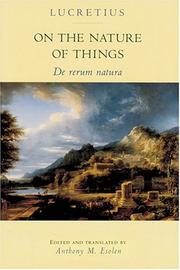
Faggen draws on Frost's unpublished notebooks to reveal a complex thinker who willingly engaged with the difficult moral and epistemological implications of natural science and showed their consonance with myths and traditions stretching back to Milton, Lucretius, and the Old Testament. Frost emerges as a thinker for whom poetry was not only artistic expression but also a forum for the trial of ideas and their impact on humanity.
Robert Frost and the Challenge of Darwin provides a deeper understanding not only of Frost and modern poetry but of the meaning of Darwin in the modern world, the complex interrelations of literature and science, and the history of American thought.
Ratings & reviews
Log in to rate or review this book.
No written reviews yet.
Discussions
Talk about this book with other readers.
Log in to start a discussion.
No discussions yet.
Editions
-
Format not known University of Michigan Press 1997 363 pages English ISBN 9780472107827 Open Library


Details & links
- First published
- 1988
- Pages
- 363
- Languages
- Available in 1 language
Where to buy this book: see “Buy this book”
More about this book
Read a sample, borrow it or see other editions → openlibrary.org