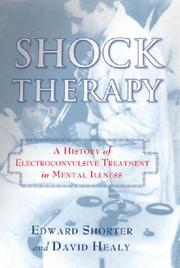
A history of psychiatry
- Pages
- 442
- 4 editions
- First published
- 1996
- 1 language
Join or log in to shelve and rate Free, no password.
Overview
With cinematic scope and precision, Shorter shows us the harsh, farcical, and inspiring realities of society's changing attitudes toward its mentally ill and the efforts of generations of scientists and physicians to ease their suffering. He takes us inside the eighteenth-century asylums, with their restraints and beatings, and guides us through the landscaped boulevards of the spas and rest homes where the "nervous disorders" of the Victorian elite were treated with bromides, buttermilk, and kind words.
He leads us through the teeming "snake pits" of early twentieth-century public mental hospitals and the gleaming laboratories of today's pharmaceutical cartels.
Writing in the tradition of the best social history, Shorter delineates the major scientific and cultural forces that shaped the development of psychiatry. Along the way, he paints vivid portraits of the leading figures - names such as Esquirol and Pinel, Krafft-Ebing and Kraepelin, Freud and Horney - who peopled the history of psychiatry.
He pulls no punches in assessing the roles these men and women played in advancing our understanding of the biological origins of mental illness, or sidetracking psychiatry into pseudoscience, metaphysics, and fanaticism.
Ratings & reviews
Log in to rate or review this book.
No written reviews yet.
Discussions
Talk about this book with other readers.
Log in to start a discussion.
No discussions yet.
Editions


Details & links
- First published
- 1996
- Pages
- 442
- Languages
- Available in 1 language
Where to buy this book: see “Buy this book”
More about this book
Read a sample, borrow it or see other editions → openlibrary.org