Jefferson's second revolution
- Pages
- 372
- 1 edition
- First published
- 2004
- 1 language
Join or log in to shelve and rate Free, no password.
Overview
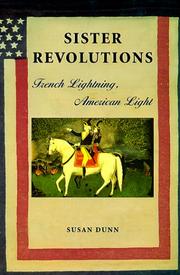
"The election of 1800 was a revolution in the modern sense of a radical new beginning, but it was also a revolution in the sense of a return to the point of origin: the principles of 1776. Federalist incumbent John Adams, and the elitism he represented, faced Republican Thomas Jefferson. Jefferson defeated Adams, but through a quirk in Electoral College balloting he tied with his own running mate, Aaron Burr. A constitutional crisis ensued. Congress was supposed to resolve the tie, but would the Federalists hand over power peacefully to their political enemies, Jefferson and his Republicans? For weeks of end, nothing was less certain. The Federalists delayed and plotted, while the Republicans threatened to take up arms." "Susan Dunn illuminates the many facets of this watershed moment in American history. She captures its great drama, gives us portraits of the founding fathers, and examines the enduring significance and consequences of the crisis. The year 1800 marked the end of Federalist elitism, led the way to peaceful power shifts, established a place for states' rights in the political landscape, and set the stage for the Civil War."--BOOK JACKET.
Ratings & reviews
Log in to rate or review this book.
No written reviews yet.
Discussions
Talk about this book with other readers.
Log in to start a discussion.
No discussions yet.
Editions

Details & links
- First published
- 2004
- Pages
- 372
- Languages
- Available in 1 language
Where to buy this book: see “Buy this book”
More about this book
Read a sample, borrow it or see other editions → openlibrary.org