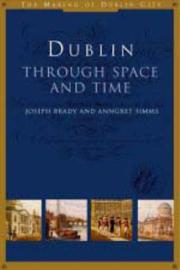
Dublin in the 1950s And 1960s
- Pages
- 450
- 3 editions
- First published
- 2017
- 1 language
Join or log in to shelve and rate Free, no password.
Overview
"After the relative gloom of the 1950s, there was a rapid economic pick-up in the early 1960s. Car ownership increased as standards of living improved and Dublin, in common with other European cities, engaged in much soul-searching about what kind of city was needed for a car-owning population and whether this differed from the kind of city that people wanted. Cars offered greater accessibility and this, combined with changes in the nature of industry and especially in the nature of retailing, profoundly altered the relationship between Dubliners and the city centre. A move to self-service and larger and larger scale retail units (especially in food retailing) prompted the move to suburban locations; industry too found benefits in being able to have large-scale, low-rise operations on greenfield sites. The city centre had to redefine its role but it had a boom in service employment in the 1960s, which demanded purpose-built office accommodation. The preferred location for this commercial activity was the south-eastern sector, where the Georgian landscape was best preserved. The nature, scale and speed of change demanded a robust approach to planning and this was the period in which Dublin eventually got its first statutory town plan. These issues are explored in this, the seventh volume in The Making of Dublin City series."--
Ratings & reviews
Log in to rate or review this book.
No written reviews yet.
Discussions
Talk about this book with other readers.
Log in to start a discussion.
No discussions yet.
Editions

Details & links
- First published
- 2017
- Pages
- 450
- Languages
- Available in 1 language
Where to buy this book: see “Buy this book”
More about this book
Read a sample, borrow it or see other editions → openlibrary.org