The people who discovered Columbus
- Pages
- 279
- 2 editions
- First published
- 1992
- 1 language
Join or log in to shelve and rate Free, no password.
Overview
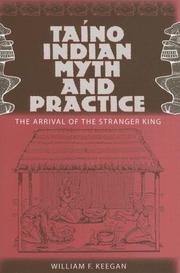
For the Lucayan Tainos of the Caribbean, the year 1492 marked the beginning of the end: the first people contacted by Christopher Columbus were the first extinguished. Within thirty years, a population of perhaps 80,000 had declined to, at most, a few refugees. Clearing new ground in the study of prehistoric societies, William Keegan argues that a different perspective on the past provides an accurate portrait of a culture that became extinct almost 500 years ago.
Keegan's terms his approach paleoethnography, developing a portrait of the past by linking archaeological field data and historical documents. The result, the first overview of the prehistory of the Bahamas, explains how and why the Bahamas were colonized by the Tainos almost 1,400 years ago. The portrait includes characteristics of the islands themselves, descriptions of how the Lucayan made their settlements, what they ate, how they organized in social groups, and how.
Their population spread throughout the archipelago. Keegan reconstructs Columbus's voyage through the West Indies, raising questions about the explorer's motivations and presenting a controversial theory about where, exactly, Columbus landed. Offering new perspectives on Caribbean prehistory to both scholars and general readers, the book ends with the Spaniards' arrival and the Lucayans' demise.
Ratings & reviews
Log in to rate or review this book.
No written reviews yet.
Discussions
Talk about this book with other readers.
Log in to start a discussion.
No discussions yet.
Editions

Details & links
- First published
- 1992
- Pages
- 279
- Languages
- Available in 1 language
Where to buy this book: see “Buy this book”
More about this book
Read a sample, borrow it or see other editions → openlibrary.org