Business & EconomicsHistoryPolitics & Society
Black '47 and beyond
- Pages
- 302
- 3 editions
- First published
- 1999
- 1 language
Join or log in to shelve and rate Free, no password.
Overview
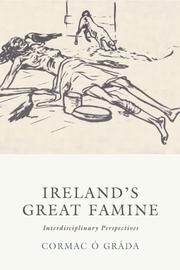
Here Ireland's premier economic historian and one of the leading authorities on the Great Irish Famine examines the most lethal natural disaster to strike Europe in the nineteenth century. Between the mid-eighteenth and early-nineteenth centuries, the food source that we still call the Irish potato had allowed the fastest population growth in the whole of Western Europe.
As vividly described in O Grada's new work, the advent of the blight phytophthora infestans transformed the potato from an emblem of utility to a symbol of death by starvation. The Irish famine peaked in Black '47, but it brought misery and increased mortality to Ireland for several years.
Moving away from the traditional narrative historical approach to the catastrophe, O Grada concentrates instead on fresh insights available through interdisciplinary and comparative methods. He highlights several economic and demographic features of the famine previously neglected in the literature, such as the part played by traders and markets, by medical science, and by migration.
Ratings & reviews
Log in to rate or review this book.
No written reviews yet.
Discussions
Talk about this book with other readers.
Log in to start a discussion.
No discussions yet.
Editions


Details & links
- First published
- 1999
- Pages
- 302
- Languages
- Available in 1 language
Where to buy this book: see “Buy this book”
More about this book
Read a sample, borrow it or see other editions → openlibrary.org